Best ABS Sensors for Safety 7 Models
Ensure your Anti-lock Braking System functions correctly with our review of 7 of the best ABS sensors for enhanced safety. Learn about their importance, common issues, and replacement tips.
Best ABS Sensors for Safety 7 Models
Ensure your Anti-lock Braking System functions correctly with our review of 7 of the best ABS sensors for enhanced safety. Learn about their importance, common issues, and replacement tips.
Why ABS Sensors Are Crucial for Your Vehicle's Safety
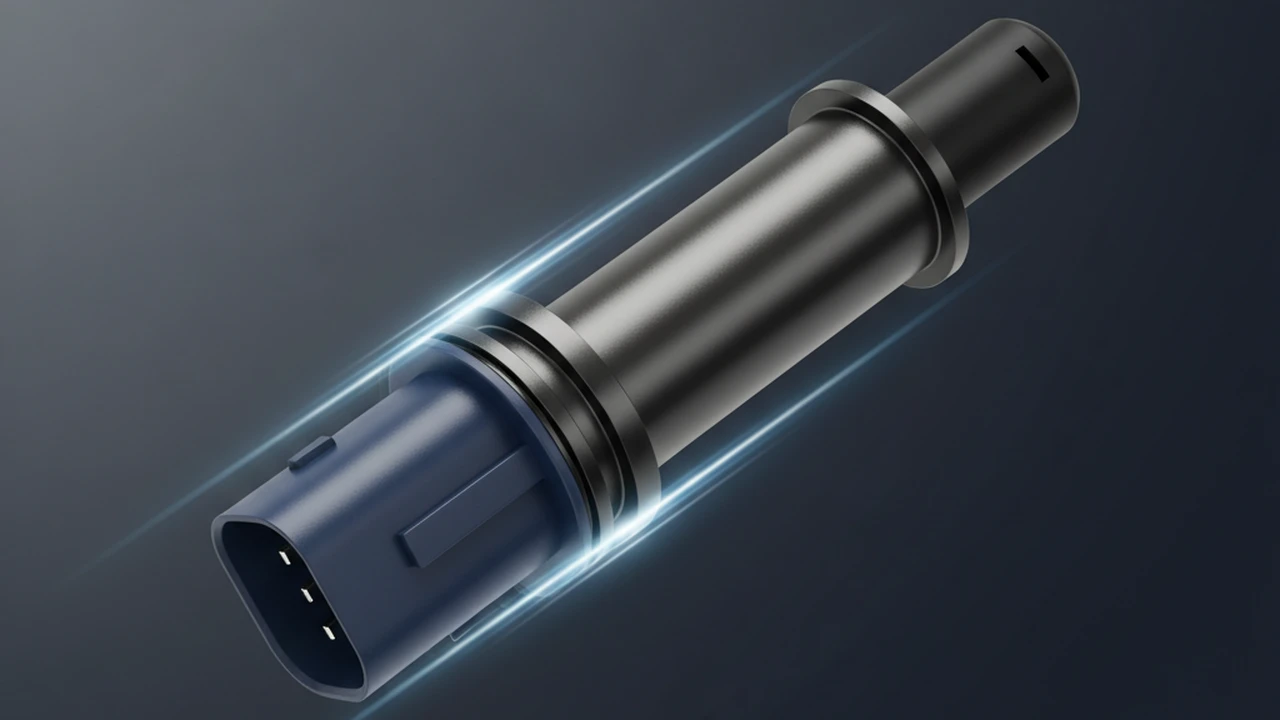
Your vehicle's Anti-lock Braking System (ABS) is a critical safety feature designed to prevent your wheels from locking up during hard braking. This allows you to maintain steering control and stop more effectively, especially on slippery surfaces. At the heart of this sophisticated system are the ABS sensors, also known as wheel speed sensors. These small but mighty components continuously monitor the rotational speed of each wheel. This data is fed to the ABS control module, which then modulates brake pressure to individual wheels as needed. Without functioning ABS sensors, your ABS system is effectively blind, compromising your ability to brake safely and increasing the risk of accidents. Understanding their importance is the first step in ensuring your vehicle's braking system is in top shape.
Common Signs Your ABS Sensors Need Attention
Like any automotive component, ABS sensors can wear out or fail over time. Recognizing the signs of a failing sensor is crucial for timely replacement and maintaining safety. The most obvious indicator is the illumination of the ABS warning light on your dashboard. This light is your car's way of telling you that there's an issue with the ABS system, and often, it points directly to a faulty sensor. Other symptoms can include:
- Inconsistent Braking Performance: You might notice that your brakes feel spongy, or that they don't engage as powerfully as they used to. In some cases, the ABS might engage unexpectedly even during normal braking.
- Difficulty Steering: While less common, a severely malfunctioning ABS sensor can sometimes affect the vehicle's stability control systems, leading to steering issues.
- Traction Control Light Illumination: Many vehicles integrate ABS sensor data with their traction control systems. If the ABS light is on, the traction control light might also illuminate, indicating a related problem.
- Speedometer Malfunctions: In older vehicles, the ABS sensor might also be responsible for sending speed data to the speedometer. If your speedometer starts acting erratically, a wheel speed sensor could be the culprit.
Ignoring these signs can lead to a complete failure of the ABS system, putting you and others at risk. Regular checks and prompt attention to warning lights are essential.
Top 7 ABS Sensors for Enhanced Vehicle Safety and Performance
When it comes to replacing your ABS sensors, choosing a reputable brand is paramount. Quality sensors ensure accurate readings and long-term reliability. Here are 7 of the best ABS sensors available on the market, catering to a wide range of vehicles and driving needs:
1. Bosch ABS Wheel Speed Sensor
Product Description: Bosch is a globally recognized leader in automotive technology, and their ABS sensors are no exception. Engineered to meet or exceed OE specifications, Bosch sensors offer exceptional durability and precise performance. They are designed to withstand harsh road conditions, extreme temperatures, and exposure to contaminants like road salt and brake dust. Their extensive application coverage means you're likely to find a Bosch sensor that fits your specific make and model.
Use Case: Ideal for everyday drivers, performance enthusiasts, and anyone seeking a reliable, direct-fit replacement for their original ABS sensors. They are particularly well-suited for vehicles used in diverse climates, from the hot and humid conditions of Southeast Asia to the varied weather of the United States.
Price Range: Typically ranges from $30 to $70 per sensor, depending on the vehicle application.
2. Dorman ABS Wheel Speed Sensor
Product Description: Dorman is known for providing high-quality aftermarket parts that often offer improvements over original equipment. Their ABS sensors are rigorously tested for fit, form, and function. Many Dorman sensors feature enhanced designs, such as improved connector seals and more robust wiring, to prevent common failure points found in OEM sensors. They offer a vast catalog of sensors for a wide array of vehicles.
Use Case: A great choice for DIY mechanics and budget-conscious consumers who still demand reliable performance. Dorman sensors are a solid option for daily drivers and light-duty trucks, offering a good balance of quality and affordability.
Price Range: Generally falls between $25 to $60 per sensor.
3. AC Delco ABS Wheel Speed Sensor
Product Description: As a leading supplier of original equipment parts for General Motors vehicles, AC Delco offers ABS sensors that are designed to perform exactly like the factory-installed components. They are manufactured with high-quality materials and undergo stringent testing to ensure optimal performance and longevity. If you own a GM vehicle, an AC Delco sensor is often the closest you can get to an OE replacement.
Use Case: Primarily recommended for owners of Chevrolet, GMC, Buick, and Cadillac vehicles who want to maintain the original performance and integrity of their ABS system. They are built for the specific demands of these vehicles.
Price Range: Expect to pay between $35 to $80 per sensor, depending on the GM model.
4. Beck/Arnley ABS Wheel Speed Sensor
Product Description: Beck/Arnley specializes in providing high-quality import vehicle parts. Their ABS sensors are designed to meet the specific requirements of European and Asian manufacturers. They focus on OE-equivalent quality, ensuring that their sensors provide the correct fit and function for vehicles from brands like Honda, Toyota, BMW, and Mercedes-Benz. Their commitment to quality ensures reliable performance and durability.
Use Case: The go-to choice for owners of imported vehicles seeking an exact fit and performance equivalent to their original sensors. Ideal for maintaining the integrity of the ABS system on a wide range of Japanese, Korean, and European cars.
Price Range: Typically priced from $40 to $90 per sensor.
5. Standard Motor Products (SMP) ABS Wheel Speed Sensor
Product Description: Standard Motor Products is a well-established manufacturer of automotive replacement parts. Their ABS sensors are designed for reliable performance and durability, often featuring robust construction to withstand the rigors of daily driving. SMP offers a comprehensive line of sensors covering a vast number of domestic and import vehicles, making them a convenient option for many car owners.
Use Case: A versatile option suitable for a broad spectrum of vehicles. SMP sensors are a reliable choice for general automotive repair and maintenance, providing consistent performance for everyday driving conditions in both US and SEA markets.
Price Range: Usually found in the $30 to $65 range per sensor.
6. Delphi ABS Wheel Speed Sensor
Product Description: Delphi is another major player in the automotive aftermarket, known for its innovative technologies and high-quality components. Their ABS sensors are engineered for precision and reliability, often incorporating advanced materials and designs to ensure accurate wheel speed readings under all driving conditions. Delphi sensors are built to last and provide consistent performance.
Use Case: Suitable for a wide range of vehicles, Delphi sensors are a strong choice for drivers who prioritize performance and longevity. They are particularly effective in demanding environments where consistent braking control is essential.
Price Range: Generally between $35 to $75 per sensor.
7. Cardone Select ABS Wheel Speed Sensor
Product Description: Cardone is well-known for its remanufactured and new automotive parts. Their Cardone Select line offers new ABS sensors that are manufactured to meet or exceed OE specifications. They focus on providing reliable and affordable solutions for common vehicle repairs. Cardone sensors are designed for easy installation and dependable performance.
Use Case: A cost-effective option for vehicle owners looking for a new, reliable ABS sensor without the premium price tag. Cardone sensors are a good fit for routine maintenance and repairs on a wide variety of vehicles.
Price Range: Typically ranges from $25 to $55 per sensor.
Comparing ABS Sensor Brands Key Considerations
When choosing an ABS sensor, several factors come into play beyond just the brand name. Here's a quick comparison to help you decide:
- OE vs. Aftermarket: Original Equipment (OE) sensors are made by the vehicle manufacturer or their direct supplier. Aftermarket sensors are made by third-party companies. While OE sensors guarantee a perfect fit and performance, quality aftermarket options like Bosch, Dorman, and AC Delco can offer comparable performance at a lower cost.
- Durability and Materials: Look for sensors made with high-quality materials that can withstand heat, moisture, and road debris. Brands like Bosch and Dorman often emphasize robust construction and improved sealing.
- Vehicle Specificity: Ensure the sensor is designed for your specific vehicle's make, model, and year. Incorrect sensors will not fit or function properly.
- Warranty: A good warranty provides peace of mind. Most reputable brands offer at least a one-year warranty on their ABS sensors.
- Price: While budget is a factor, don't compromise on quality for the sake of saving a few dollars. A faulty sensor can lead to more expensive repairs or safety issues down the line.
Installation and Maintenance Tips for ABS Sensors
Replacing an ABS sensor can be a DIY project for those with some mechanical experience, but it requires care and precision. Here are some tips:
- Safety First: Always ensure your vehicle is safely supported on jack stands before working underneath it. Disconnect the negative battery terminal to prevent electrical shorts.
- Locate the Sensor: ABS sensors are typically mounted near the wheel hub, often attached to the steering knuckle or brake backing plate. Follow the wiring harness from the wheel hub to find it.
- Careful Removal: ABS sensor wires can be brittle. Gently disconnect the electrical connector and carefully remove any mounting bolts or clips. Avoid yanking on the wire. If the sensor is stuck, a penetrating lubricant might help, but be cautious not to damage the sensor or surrounding components.
- Clean the Mounting Area: Before installing the new sensor, clean the mounting surface to ensure a secure fit and proper contact. Remove any rust, dirt, or debris.
- Install the New Sensor: Secure the new sensor with its mounting hardware. Ensure it's firmly in place but avoid over-tightening. Reconnect the electrical connector securely.
- Test Drive: After installation, reconnect the battery and start the engine. The ABS warning light should turn off. Take a short test drive at low speeds, applying the brakes gently to ensure the ABS system is functioning correctly. If the light remains on or you experience braking issues, consult a professional mechanic.
Regularly inspecting your ABS sensors and their wiring for any signs of damage or corrosion can help prevent premature failure and ensure your braking system remains reliable.
When to Seek Professional Help for ABS Sensor Issues
While some ABS sensor replacements can be handled by experienced DIYers, there are situations where professional assistance is recommended. If you're uncomfortable working on your vehicle's braking system, lack the necessary tools, or if the problem persists after replacing a sensor, it's best to take your car to a qualified mechanic. They have specialized diagnostic equipment to pinpoint the exact cause of ABS issues, which can sometimes involve more than just a faulty sensor, such as problems with the ABS module, wiring harness, or tone ring. Ensuring your ABS system is functioning optimally is critical for your safety on the road, so don't hesitate to seek expert advice when needed.