Best Car Hoods for Durability 7 Top Picks
Explore our review of the 7 best car hoods known for their durability and structural integrity. Find the perfect hood for your vehicle.
Best Car Hoods for Durability 7 Top Picks
Discover the 7 best car hoods renowned for their exceptional durability and structural integrity. Whether you're looking for a replacement after an accident, an upgrade for performance, or simply want to enhance your vehicle's appearance, choosing the right hood is crucial. This guide will walk you through the top options available in the US and Southeast Asian markets, considering factors like material, construction, fitment, and overall value. We'll delve into specific product recommendations, their ideal use cases, comparative analyses, and approximate pricing to help you make an informed decision.
Why Durability Matters in Car Hoods
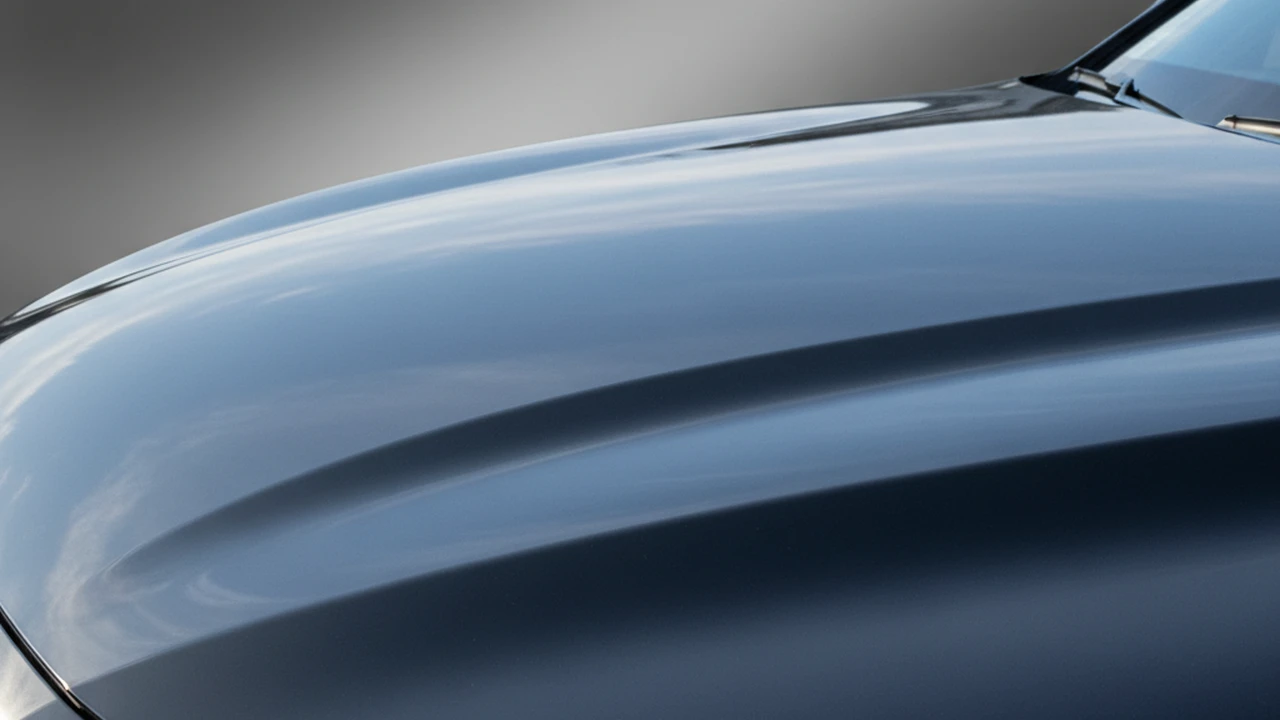
Your car's hood is more than just a cosmetic piece; it's a vital structural component. Its primary functions include protecting the engine and other vital components from the elements, contributing to the vehicle's aerodynamics, and playing a significant role in crash safety by absorbing impact energy. Therefore, durability is paramount. A durable hood resists damage from road debris, minor impacts, and environmental factors like UV rays and moisture, ensuring longevity and maintaining your vehicle's integrity.
Materials Used in Car Hoods
The material of a car hood significantly impacts its durability, weight, and cost. Here are the most common materials:
Steel Hoods
Pros: Steel is the most traditional and widely used material for car hoods due to its strength, affordability, and ease of repair. It offers excellent resistance to minor impacts and is readily available.
Cons: Steel is heavier than other materials, which can slightly impact fuel efficiency and handling. It is also susceptible to rust and corrosion if not properly treated or maintained.
Best For: Everyday vehicles, budget-conscious replacements, and situations where maximum impact resistance is a priority.
Aluminum Hoods
Pros: Aluminum is significantly lighter than steel, contributing to better fuel economy and improved vehicle dynamics. It is also naturally resistant to rust and corrosion.
Cons: Aluminum can be more expensive than steel and may be more challenging to repair if damaged. It might not offer the same level of dent resistance as thicker steel in certain impact scenarios.
Best For: Performance vehicles, luxury cars, and owners looking to reduce weight and improve fuel efficiency.
Carbon Fiber Hoods
Pros: Carbon fiber is exceptionally strong and incredibly lightweight, offering the best strength-to-weight ratio. It provides a high-performance look and can significantly improve aerodynamics.
Cons: Carbon fiber is the most expensive option and can be brittle, making it susceptible to cracking or shattering upon significant impact. Repairs can also be costly and specialized.
Best For: Racing applications, high-performance street cars, and enthusiasts seeking the ultimate in weight reduction and aggressive styling.
Fiberglass Hoods
Pros: Fiberglass offers a good balance between weight and cost, often being lighter than steel but more affordable than carbon fiber. It's also relatively easy to mold into various shapes.
Cons: Fiberglass can be less durable than steel or carbon fiber and may be prone to cracking or chipping over time, especially under stress or impact. It requires proper priming and painting for protection.
Best For: Custom builds, aftermarket styling, and as a more affordable lightweight alternative to carbon fiber.
Top 7 Best Car Hoods for Durability Reviewed
1. OEM Replacement Hoods (Various Brands)
Description: Original Equipment Manufacturer (OEM) hoods are designed to perfectly match your vehicle's specifications. They are typically made from high-quality steel or aluminum, ensuring a precise fit and adherence to original safety standards. Brands like Toyota, Honda, Ford, Chevrolet, and BMW offer direct-fit replacement hoods for their respective models.
Use Case: Ideal for replacing a damaged hood after an accident, restoring a vehicle to its original condition, or when a perfect fit and factory look are paramount.
Durability: Excellent, as they are engineered to meet stringent automotive standards for impact resistance and longevity.
Price Range: $300 - $1000+ (depending on vehicle make, model, and material).
2. VIS Racing Carbon Fiber Hoods
Description: VIS Racing is a well-known manufacturer of high-quality carbon fiber aftermarket parts. Their hoods are crafted using premium materials and advanced manufacturing techniques, offering a sleek, aggressive look and significant weight savings. They often feature a clear coat finish for UV protection.
Use Case: Performance enthusiasts, track cars, and street builds where weight reduction and aggressive styling are desired. Popular for sports cars like the Nissan GT-R, Subaru WRX, and Mazda Miata.
Durability: High strength-to-weight ratio. While strong, carbon fiber can be brittle against sharp impacts. Proper installation and care are essential.
Price Range: $700 - $2000+.
3. Seibon Carbon Fiber Hoods
Description: Similar to VIS Racing, Seibon is another leading brand in carbon fiber automotive components. Seibon hoods are known for their meticulous craftsmanship, precise fitment, and premium finish. They offer a wide range of designs for various makes and models.
Use Case: Performance-oriented vehicles and custom builds seeking a premium aesthetic and weight reduction. Commonly found on imports like Honda Civic, Acura Integra, and Mitsubishi Lancer Evolution.
Durability: Excellent strength and lightweight properties. Like all carbon fiber, requires careful handling to avoid damage from sharp impacts.
Price Range: $600 - $1800+.
4. Duraflex Hoods (by Extreme Dimensions)
Description: Duraflex offers a wide array of aftermarket body kits, including hoods, often made from fiberglass or a fiberglass composite. They aim to provide stylish designs at a more accessible price point than pure carbon fiber. These hoods typically require prep work (sanding, priming) before painting.
Use Case: Custom builds, aesthetic upgrades, and owners looking for a more aggressive or unique look without the premium cost of carbon fiber. Suitable for a broad range of vehicles from sedans to trucks.
Durability: Good, but generally less impact-resistant than steel or high-grade carbon fiber. Prone to cracking if subjected to significant force. Requires proper installation and finishing.
Price Range: $300 - $800.
5. RK Sport Hoods
Description: RK Sport specializes in fiberglass and carbon fiber hoods, often featuring unique, aggressive designs. They focus on enhancing the visual appeal and performance of vehicles. Their products are generally well-regarded for fit and finish.
Use Case: Muscle cars, sports cars, and trucks looking for a distinctive and sporty appearance. Popular for models like the Ford Mustang, Chevrolet Camaro, and Dodge Challenger.
Durability: Varies by material (fiberglass or carbon fiber). Fiberglass offers good durability for its price, while carbon fiber provides superior strength-to-weight. Both require proper installation and care.
Price Range: $500 - $1500+.
6. Trufiber Hoods
Description: Trufiber offers a range of hoods, primarily in fiberglass and carbon fiber, known for their aggressive styling and performance enhancements. They focus on providing aftermarket parts that stand out visually.
Use Case: Muscle car enthusiasts and customizers seeking bold designs and improved aesthetics. Common applications include Ford Mustangs and Chevrolet Camaros.
Durability: Similar to other fiberglass and carbon fiber options. Good for their intended purpose but require careful handling to avoid damage.
Price Range: $400 - $1200+.
7. OEM-Style Steel Hoods (Aftermarket)
Description: Many aftermarket companies produce steel hoods that are designed to be direct replacements for OEM hoods. These are often more affordable than genuine OEM parts but still offer good durability and fitment. Brands like Sherman, Kool-Vue, and various others supply these.
Use Case: Cost-effective replacement for damaged hoods on a wide variety of vehicles. Suitable for daily drivers and fleet vehicles where budget is a key consideration.
Durability: Good, comparable to OEM steel hoods. Susceptible to rust if not properly maintained or coated.
Price Range: $200 - $600.
Comparing Hood Options: Key Considerations
When choosing a car hood, consider these factors:
- Vehicle Make and Model: Ensure the hood is designed for your specific car for proper fitment and integration.
- Material: Steel for strength and cost, aluminum for weight savings and corrosion resistance, carbon fiber for ultimate lightness and performance, fiberglass for a balance of cost and weight.
- Intended Use: Daily driving, track use, off-roading, or show car? This will influence the material and design choice.
- Budget: Prices vary significantly based on material and brand.
- Installation: Some hoods are direct bolt-on, while others may require modifications or professional installation.
- Aesthetics: Do you prefer a factory look, an aggressive performance style, or a unique custom design?
- Maintenance: Consider how easy the material is to clean, repair, and protect from the elements.
Installation and Maintenance Tips
Installation: While some hoods can be installed by a DIY enthusiast, it's often recommended to have a professional body shop install aftermarket hoods, especially carbon fiber or fiberglass ones. Proper alignment, latching, and safety checks are crucial.
Maintenance:
- Steel: Regularly wash and wax to prevent rust. Address any chips or scratches promptly to avoid corrosion.
- Aluminum: Generally low maintenance, but avoid harsh chemicals that could damage the finish.
- Carbon Fiber: Clean with mild soap and water. Use a high-quality automotive wax or sealant to protect the clear coat from UV damage. Avoid abrasive cleaners.
- Fiberglass: Requires regular washing and waxing. Protect from impacts and address any cracks or chips as soon as they appear.
Where to Buy Car Hoods in the US and SEA
You can find these hoods from various sources:
- Online Retailers: Websites like Amazon, eBay, and specialized auto parts retailers (e.g., AutoZone, Advance Auto Parts in the US; Lazada, Shopee in SEA for aftermarket parts) offer a wide selection.
- Manufacturer Websites: Directly from brands like VIS Racing, Seibon, Duraflex, RK Sport, and Trufiber.
- Local Auto Parts Stores: For OEM and some aftermarket options.
- Specialty Performance Shops: For high-end aftermarket and custom hoods.
When purchasing, always verify fitment for your specific vehicle year, make, and model. Check reviews for product quality and seller reliability. For international buyers in SEA, ensure the seller ships to your location and be aware of potential import duties and taxes.
Choosing the right car hood involves balancing durability, weight, cost, and aesthetics. Whether you opt for the robust reliability of steel, the lightweight efficiency of aluminum, or the high-performance appeal of carbon fiber, selecting a quality product from a reputable brand will ensure your vehicle looks great and stays protected for years to come.