Brake Disc Types Explained 3 Common Designs
Understand the 3 common designs of brake discs and their impact on braking performance. Learn about solid, vented, and slotted rotors for your vehicle.
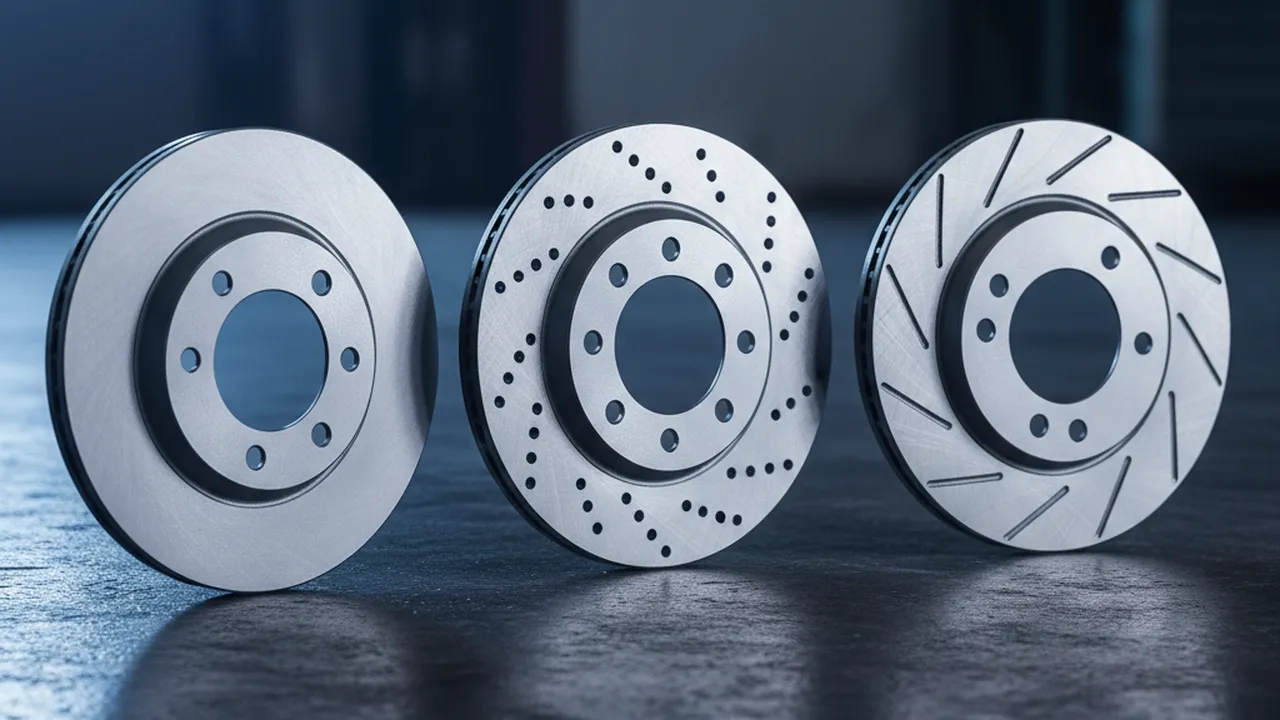
Brake Disc Types Explained 3 Common Designs
Understand the 3 common designs of brake discs and their impact on braking performance. Learn about solid, vented, and slotted rotors for your vehicle.
When it comes to your car's braking system, the brake discs, also known as brake rotors, are absolutely critical. They're the surface that your brake pads clamp down on to create friction and bring your vehicle to a halt. But not all brake discs are created equal. You'll find different types out there, each with its own advantages and disadvantages. Understanding these differences can help you make a more informed decision when it's time for a replacement or an upgrade, ensuring you get the best performance and safety for your driving needs. We're going to dive into the three most common designs you'll encounter: solid, vented, and slotted brake discs.
Why Brake Disc Design Matters for Your Vehicle
Before we get into the specifics of each type, let's talk about why the design of your brake discs is so important. The primary job of a brake disc is to dissipate the immense heat generated during braking. When you apply the brakes, the kinetic energy of your moving vehicle is converted into thermal energy through friction. If this heat isn't managed effectively, it can lead to a phenomenon known as brake fade, where your brakes become less effective. This is not only dangerous but can also lead to premature wear of your braking components. Different disc designs are engineered to tackle this heat dissipation challenge in various ways, offering different levels of performance, durability, and cost.
Solid Brake Discs The Simple and Reliable Choice
Solid brake discs are the most basic and often the most affordable type. As the name suggests, they are a solid, single piece of metal, typically cast iron. They are commonly found on the rear wheels of many vehicles or on lighter cars and trucks where extreme braking demands are less common.
How Solid Discs Work
When you brake, the brake pads press against the solid surface of the disc. The friction generated slows the wheel. The heat generated is then dissipated directly from the surface of the disc into the surrounding air. While this works for everyday driving, the limited surface area and lack of internal cooling mechanisms mean they can struggle under heavy or prolonged braking conditions.
Pros of Solid Brake Discs
- Cost-effective: Generally the cheapest option to manufacture and purchase.
- Simplicity: Their straightforward design makes them easy to install and maintain.
- Good for everyday driving: Sufficient for normal braking needs in most passenger vehicles.
Cons of Solid Brake Discs
- Heat dissipation limitations: Prone to overheating and brake fade under heavy use.
- Wear: Can wear out faster than more advanced designs when subjected to high stress.
- Not ideal for performance: Generally not recommended for high-performance driving or heavy-duty applications.
When to Choose Solid Discs
Solid brake discs are a perfectly suitable choice for the average driver who primarily uses their vehicle for commuting, city driving, and occasional highway travel. If your car is a daily driver and you don't engage in aggressive driving or towing heavy loads, solid discs will likely serve you well. They offer a good balance of performance and affordability for these common scenarios.
Example Products and Pricing (USD)
For a typical sedan or compact SUV, a set of solid brake discs from a reputable aftermarket brand like Brembo (their standard line), Bosch, or Raybestos might range from $50 to $150 per pair. For instance, a Bosch QuietCast Premium Rotor for a 2018 Honda Civic could be around $60 per rotor, totaling $120 for the front pair. These are readily available at major auto parts retailers like AutoZone, Advance Auto Parts, and online through Amazon or dedicated auto parts websites.
Vented Brake Discs The Workhorse for Most Vehicles
Vented brake discs, also known as ventilated or internally vented discs, are a significant step up from solid discs. They are the most common type found on the front wheels of most modern passenger cars and light trucks, and often on all four wheels of performance-oriented vehicles. Their design is specifically engineered to improve heat management.
How Vented Discs Work
The key difference is that vented discs have internal vanes or air chambers between the two friction surfaces. As the disc rotates, these vanes act like a fan, drawing cooler air from the center of the wheel and expelling hotter air from the disc. This continuous airflow significantly enhances heat dissipation, making them much more resistant to brake fade compared to solid discs. The increased surface area also contributes to better heat transfer.
Pros of Vented Brake Discs
- Superior heat dissipation: Significantly reduces the risk of brake fade, especially during repeated braking.
- Improved performance: Offers more consistent braking power under demanding conditions.
- Longer lifespan: Generally last longer than solid discs due to better heat management reducing stress.
- Common upgrade: A popular choice for those looking to improve their vehicle's braking without going to extreme performance levels.
Cons of Vented Brake Discs
- Higher cost: More expensive than solid discs due to their more complex design.
- Weight: Slightly heavier than solid discs, though this is usually negligible for most drivers.
- Can be more susceptible to thermal cracking: While better at dissipating heat, rapid temperature changes can still cause issues if not properly managed.
When to Choose Vented Discs
Vented brake discs are an excellent choice for almost any driver. They are the standard for a reason. If you do a lot of highway driving, live in a hilly area, tow a trailer, or simply want the peace of mind that comes with more robust braking performance, vented discs are a worthwhile investment. They offer a substantial improvement over solid discs for a moderate increase in cost.
Example Products and Pricing (USD)
For a mid-size sedan like a Toyota Camry or a Ford Explorer, a pair of vented brake discs from brands like Power Stop, Centric, or Zimmermann could range from $100 to $300 per pair. For example, a Power Stop K5002-36 Z36 Truck and Tow Front Brake Kit for a 2019 Ford F-150, which includes vented rotors and pads, might cost around $250 for the front axle. These are widely available through online retailers and auto parts stores.
Slotted Brake Discs The Performance Enthusiast's Choice
Slotted brake discs take the concept of vented discs a step further. They feature grooves or slots machined into the friction surface. These slots are designed to serve several purposes, primarily related to improving braking performance and longevity, especially under aggressive driving conditions.
How Slotted Discs Work
The slots on the surface of the disc perform a few key functions:
- Gas and Debris Evacuation: As brake pads wear, they release gases and fine particles. The slots help to sweep these away from the friction surface, preventing them from building up and reducing pad effectiveness.
- Cleaning the Pad Surface: The slots help to keep the brake pad surface clean and fresh, ensuring consistent contact with the rotor.
- Improved Wet Weather Performance: In wet conditions, slots can help to break up the film of water that can form between the pad and rotor, improving initial bite.
- Heat Dissipation: While not as significant as the internal vanes of a vented rotor, the slots do contribute to some additional surface area for heat dissipation and can help to keep the rotor surface cooler.
Slotted discs are often combined with vented designs (making them vented and slotted) for maximum benefit. They are a popular choice for performance cars, track day enthusiasts, and drivers who frequently push their vehicles hard.
Pros of Slotted Brake Discs
- Enhanced braking power: Improved pad cleaning and gas evacuation lead to more consistent and powerful braking.
- Better wet weather performance: Slots help to maintain grip in wet conditions.
- Reduced brake fade: Contribute to keeping the braking system cooler and more responsive.
- Aggressive look: The slotted design often appeals to those looking for a sportier appearance.
Cons of Slotted Brake Discs
- Higher cost: Significantly more expensive than solid or even standard vented discs due to the machining process.
- Increased pad wear: The slots can sometimes accelerate the wear rate of brake pads, especially if paired with aggressive pad compounds.
- Noise: Can sometimes produce more audible braking noise, particularly during initial application.
- Not necessary for everyone: Overkill for most daily drivers and can lead to premature wear if not used appropriately.
When to Choose Slotted Discs
Slotted brake discs are best suited for drivers who demand the utmost from their braking system. This includes performance driving, track days, autocross events, or towing very heavy loads where consistent, fade-free braking is paramount. If you frequently drive in challenging conditions or simply want the best possible braking performance and are willing to invest in it, slotted discs are a great option. They are often paired with performance brake pads for a complete system upgrade.
Example Products and Pricing (USD)
For performance applications, slotted brake discs (often sold as part of a kit with pads) from brands like EBC Brakes, Hawk Performance, or StopTech can range from $300 to $800+ per pair for the front axle, depending on the vehicle and the specific product line. For example, a StopTech Sport Slotted Rotor for a 2020 Ford Mustang GT might cost around $200 per rotor, so $400 for a front pair. High-end track-focused kits can easily exceed $1000.
Drilled Brake Discs A Note on Performance and Durability
You might also encounter drilled brake discs, which have holes drilled through the friction surfaces. While they also aim to improve cooling and gas evacuation, they come with significant drawbacks. The holes can create stress points, making the discs more prone to cracking, especially under heat cycles. For most street applications, especially those not involving extreme performance driving, slotted or high-quality vented discs are generally a more durable and reliable choice than drilled discs. Drilled discs are often seen on high-end sports cars but require careful consideration and maintenance.
Making the Right Choice for Your Vehicle and Driving Style
Choosing the right brake disc type boils down to understanding your vehicle's needs and your driving habits. For the vast majority of drivers, high-quality vented brake discs offer the best balance of performance, durability, and cost. They provide a significant upgrade over solid discs and are well-suited for everyday driving, highway cruising, and even moderate towing. If you're a performance enthusiast who frequently engages in spirited driving or track days, then slotted discs, often paired with performance brake pads, will offer the ultimate in braking control and fade resistance. Always ensure that any brake components you choose are compatible with your vehicle's make and model, and consider consulting with a professional mechanic if you're unsure about the best option for your specific situation. Proper brake maintenance, including regular inspections and timely replacement, is key to ensuring your safety on the road, no matter which type of brake disc you choose.