Wheel Balancing & Alignment: Importance & Benefits
Understand the importance of wheel balancing and alignment. We explain the benefits for handling, tire wear, and fuel efficiency. Maintain optimal performance with proper wheel maintenance.
Understanding Wheel Balancing What It Is and Why It Matters
Okay, let’s dive into the world of wheel balancing. You might be thinking, "What's the big deal?" Well, imagine running with a pebble stuck in your shoe – annoying, right? An unbalanced wheel is kind of like that for your car. Wheel balancing ensures that the weight of your wheel and tire assembly is evenly distributed around the axle. This prevents vibrations and keeps your ride smooth. Think of it as making sure your wheels are perfectly round and spinning without any wobbles.
Why is this so important? Because unbalanced wheels can lead to a whole host of problems. First off, you'll feel it – vibrations in your steering wheel, seat, or floorboard, especially at higher speeds. This isn't just uncomfortable; it can also be a sign of serious wear and tear. Over time, unbalanced wheels can cause uneven tire wear, premature suspension component failure, and even decreased fuel efficiency. Nobody wants that!
The Science Behind Wheel Balancing Static vs Dynamic Balancing
There are two main types of wheel balancing: static and dynamic. Static balancing addresses imbalance in a single plane, meaning the wheel is either heavier on one side or the other. It's like balancing a seesaw. This type of imbalance can cause the wheel to bounce up and down.
Dynamic balancing, on the other hand, addresses imbalance in multiple planes. This is a more complex type of imbalance that can cause the wheel to wobble from side to side, in addition to bouncing. Dynamic balancing requires a specialized machine that spins the wheel and measures the imbalance in both planes. This is the more common and comprehensive type of balancing, as it addresses both types of imbalance.
Think of it like this: static balancing is like balancing a coin on your finger, while dynamic balancing is like balancing a spinning top. Both require precise weight distribution, but dynamic balancing is more complex and addresses more potential issues.
Wheel Alignment What It Is and How It Affects Your Car
Now, let's talk about wheel alignment. Wheel alignment refers to the angles of your wheels relative to each other and to the vehicle's body. These angles are crucial for proper handling, tire wear, and overall vehicle performance. There are three main alignment angles: camber, caster, and toe.
Camber: This is the angle of the wheel relative to the vertical axis when viewed from the front of the vehicle. Positive camber means the top of the wheel is tilted outward, while negative camber means the top of the wheel is tilted inward. Excessive camber can cause uneven tire wear on the inside or outside edge of the tire.
Caster: This is the angle of the steering pivot axis relative to the vertical axis when viewed from the side of the vehicle. Positive caster means the steering pivot axis is tilted backward, while negative caster means it's tilted forward. Caster affects steering stability and straight-line tracking.
Toe: This is the angle of the wheels relative to each other when viewed from above. Toe-in means the front of the wheels are closer together than the rear, while toe-out means the front of the wheels are farther apart than the rear. Toe affects steering response and tire wear.
The Benefits of Proper Wheel Balancing and Alignment Handling Tire Wear and Fuel Efficiency
So, why bother with all this balancing and alignment stuff? Well, the benefits are numerous! First and foremost, proper wheel balancing and alignment significantly improve handling. Your car will feel more stable and responsive, making it easier to control, especially in emergency situations. You'll notice a smoother ride and reduced steering effort.
Secondly, proper alignment dramatically extends tire life. When your wheels are properly aligned, the tires wear evenly across the tread, maximizing their lifespan. Misalignment can cause rapid and uneven tire wear, forcing you to replace your tires much sooner than you should have to. This saves you money in the long run.
Finally, proper wheel balancing and alignment can improve fuel efficiency. When your wheels are properly aligned, they roll more smoothly and efficiently, reducing rolling resistance. This translates to better gas mileage, saving you money at the pump. It might not seem like a huge difference, but over time, it can add up significantly.
Signs You Need Wheel Balancing and Alignment Recognizing the Symptoms
How do you know if your wheels need balancing or alignment? Here are some telltale signs to watch out for:
- Vibrations: Vibrations in the steering wheel, seat, or floorboard, especially at higher speeds, are a common sign of unbalanced wheels.
- Uneven Tire Wear: If you notice that your tires are wearing unevenly, with more wear on the inside or outside edge, it could be a sign of misalignment.
- Pulling: If your car pulls to one side while driving straight, it could be a sign of misalignment.
- Wandering: If your car feels unstable and wanders on the road, it could be a sign of misalignment.
- Steering Wheel Off-Center: If your steering wheel is not centered when driving straight, it could be a sign of misalignment.
- Noisy Tires: Unusual tire noise, such as squealing or humming, can sometimes be a sign of misalignment or unbalanced wheels.
If you experience any of these symptoms, it's a good idea to have your wheels checked by a professional.
The Wheel Balancing and Alignment Process What to Expect
What happens when you take your car in for wheel balancing and alignment? First, the technician will inspect your tires and suspension components for any signs of damage or wear. They'll also check the tire pressure and make sure the wheels are properly mounted.
For wheel balancing, the technician will mount each wheel on a balancing machine. The machine spins the wheel and measures the imbalance. The technician then adds small weights to the wheel rim to correct the imbalance. This process is repeated until the wheel is perfectly balanced.
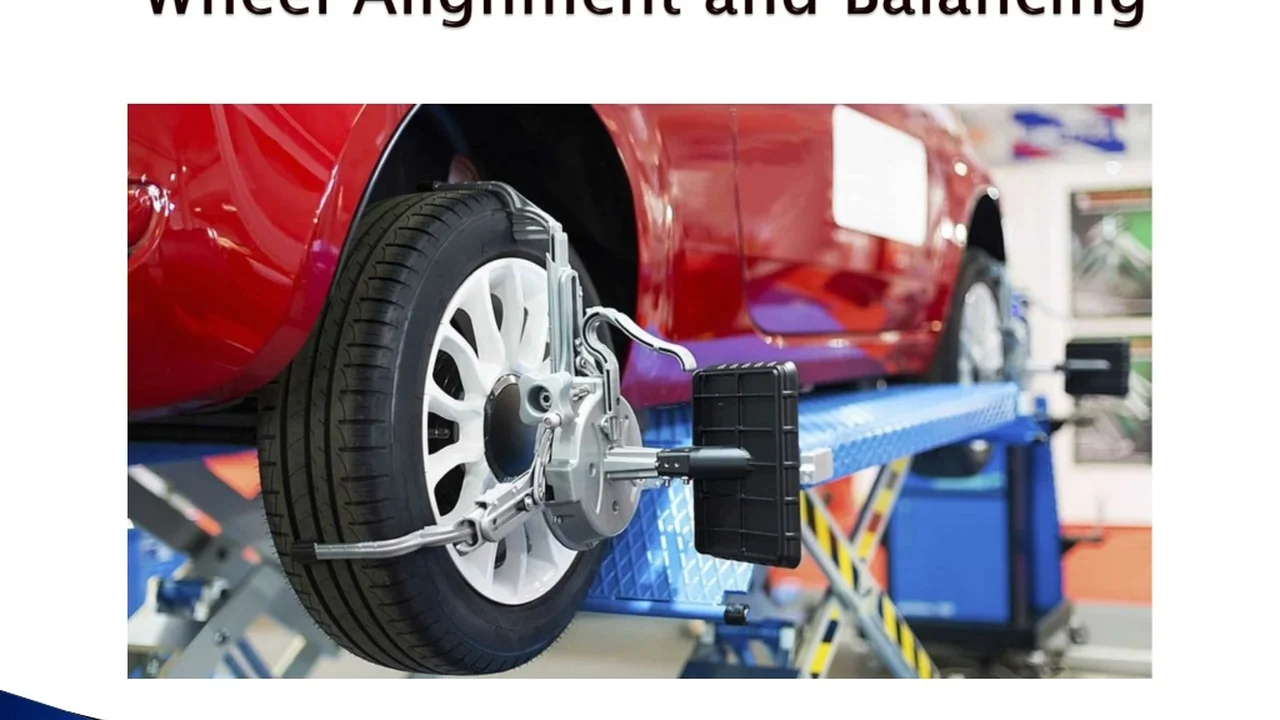
For wheel alignment, the technician will attach sensors to each wheel. These sensors measure the alignment angles and transmit the data to a computer. The technician then adjusts the suspension components to bring the alignment angles back to the manufacturer's specifications. This may involve adjusting the tie rods, control arms, or other suspension components.
After the adjustments are made, the technician will recheck the alignment angles to ensure they are within the correct range. They may also take the car for a test drive to verify that the handling is improved.
Recommended Products and Services for Wheel Balancing and Alignment
Okay, let's talk about some specific products and services that can help you maintain proper wheel balancing and alignment. While you can't exactly buy "wheel balancing" in a bottle, there are things you can do to ensure the job is done right and to maintain the results.
Wheel Balancing Services
Most tire shops and auto repair shops offer wheel balancing services. Here are a few well-known chains:
- Discount Tire: Known for their competitive prices and excellent service. They offer both static and dynamic balancing. Expect to pay around $10-$20 per wheel for balancing.
- Firestone Complete Auto Care: A reputable chain with experienced technicians. They use advanced balancing equipment. Prices are typically in the $15-$25 per wheel range.
- Goodyear Auto Service: Offers comprehensive auto care services, including wheel balancing. Prices are similar to Firestone.
Wheel Alignment Services
Wheel alignment services are also widely available. Here are a few options:
- Hunter Engineering Alignment Systems: Many shops use Hunter alignment systems, which are known for their accuracy and speed. Ask if the shop uses Hunter equipment.
- Firestone Lifetime Alignment: Firestone offers a lifetime alignment service, which allows you to get your car aligned as many times as needed for as long as you own the vehicle. This can be a great value if you drive a lot or live in an area with rough roads. The cost is usually around $200-$300.
- Local Independent Shops: Don't overlook local independent shops. They often offer competitive prices and personalized service. Just make sure they have experienced technicians and use modern alignment equipment.
Tire Pressure Monitoring Systems (TPMS)
While not directly related to balancing or alignment, TPMS can help you maintain proper tire pressure, which is crucial for even tire wear and optimal handling. Here are a few TPMS products:
- FOBO Tire Plus: A Bluetooth TPMS that sends tire pressure data to your smartphone. It's easy to install and monitor. A set of four sensors costs around $200.
- EEZRV Tire Pressure Monitoring System: A popular choice for RVs and trailers, but it can also be used on cars. It provides real-time tire pressure and temperature data. The cost varies depending on the number of sensors.
- Autel MaxiTPMS TS508: A diagnostic tool that can read and reset TPMS sensors. It's a valuable tool for DIYers and professionals alike. The cost is around $150-$200.
Comparing Different Wheel Balancing and Alignment Services and Products
When choosing a wheel balancing or alignment service, consider the following factors:
- Equipment: Does the shop use modern balancing and alignment equipment? Hunter alignment systems are a good sign.
- Technician Experience: Are the technicians experienced and certified? Ask about their training and qualifications.
- Warranty: Does the shop offer a warranty on their work? A warranty can protect you if there are any problems after the service.
- Price: Get quotes from several shops and compare prices. Be wary of extremely low prices, as they may indicate substandard work.
- Reviews: Check online reviews to see what other customers have to say about the shop.
When choosing TPMS products, consider the following factors:
- Accuracy: How accurate are the sensors? Look for sensors with a high degree of accuracy.
- Ease of Installation: How easy is it to install the sensors? Some sensors are easier to install than others.
- Features: What features does the system offer? Some systems offer real-time data, alerts, and other features.
- Battery Life: How long does the battery last? Look for sensors with a long battery life.
- Price: Compare prices from different brands and models.
Real-World Scenarios When Wheel Balancing and Alignment Are Crucial
Let's look at some real-world scenarios where wheel balancing and alignment are particularly important:
- Long Road Trips: Before embarking on a long road trip, it's a good idea to have your wheels balanced and aligned. This will ensure a smooth and comfortable ride and prevent uneven tire wear.
- After Hitting a Pothole: Hitting a pothole can knock your wheels out of alignment. If you hit a pothole hard, it's a good idea to have your alignment checked.
- After Installing New Tires: When you install new tires, it's always a good idea to have your wheels balanced. This will ensure that the tires wear evenly and provide a smooth ride.
- Before Tracking or Racing Your Car: If you plan to track or race your car, proper wheel balancing and alignment are essential for optimal handling and performance.
- If You Notice Any of the Symptoms: If you notice any of the symptoms of unbalanced wheels or misalignment, such as vibrations, uneven tire wear, or pulling, it's a good idea to have your wheels checked.
Cost Considerations for Wheel Balancing and Alignment
The cost of wheel balancing and alignment can vary depending on the shop, the equipment used, and the type of vehicle. Here's a general idea of what you can expect to pay:
- Wheel Balancing: $10-$25 per wheel
- Wheel Alignment: $75-$150
- Lifetime Alignment: $200-$300
It's always a good idea to get quotes from several shops before choosing a service. Also, be sure to ask about any additional fees or charges.
DIY Wheel Balancing and Alignment Is It Possible and Recommended
While it's technically possible to balance and align your wheels at home, it's generally not recommended unless you have specialized equipment and a lot of experience. Wheel balancing requires a balancing machine, and wheel alignment requires precise measuring tools and the ability to adjust suspension components.
Attempting to balance or align your wheels without the proper equipment and knowledge can be dangerous and can damage your vehicle. It's best to leave these tasks to the professionals.
However, you can do some basic maintenance at home to help maintain proper wheel balancing and alignment. This includes:
- Checking Tire Pressure: Regularly check your tire pressure and inflate your tires to the recommended pressure.
- Inspecting Tires: Inspect your tires for signs of wear or damage.
- Rotating Tires: Rotate your tires every 5,000-7,000 miles to promote even wear.
Maintaining Optimal Performance Through Regular Wheel Maintenance
In conclusion, wheel balancing and alignment are essential for optimal handling, tire wear, and fuel efficiency. By understanding the importance of these services and recognizing the symptoms of unbalanced wheels and misalignment, you can keep your car running smoothly and safely for years to come. Don't neglect this crucial aspect of vehicle maintenance!
:max_bytes(150000):strip_icc()/277019-baked-pork-chops-with-cream-of-mushroom-soup-DDMFS-beauty-4x3-BG-7505-5762b731cf30447d9cbbbbbf387beafa.jpg)