Car Lighting Components Explained 4 Essential Parts
Understand the 4 different types of car lighting components and their functions for improved visibility and safety on the road. Learn about headlights, taillights, signal lights, and interior lights.
Car Lighting Components Explained 4 Types
Understanding the various lighting components in your vehicle is crucial for both safety and functionality. From illuminating the road ahead to signaling your intentions to other drivers, car lights play a vital role. This guide will break down the four main types of car lighting components: headlights, taillights, signal lights, and interior lights, explaining their functions, common types, and what to look for when considering replacements or upgrades. We'll also dive into some specific product recommendations, usage scenarios, and comparisons to help you make informed decisions for the US and Southeast Asian markets.
Headlights Understanding Your Vehicles Vision
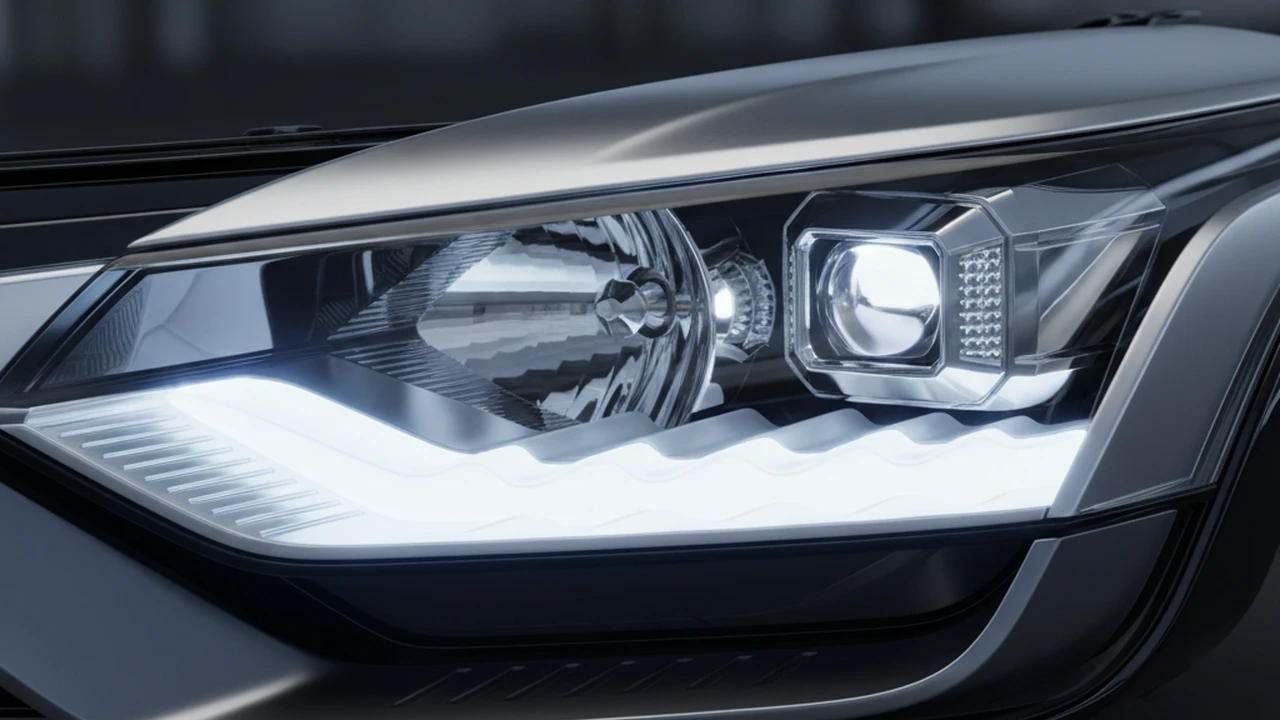
Headlights are arguably the most critical lighting components on your vehicle. They are designed to illuminate the road ahead, allowing you to see clearly and safely navigate in low-light conditions, at night, and in adverse weather. Modern vehicles typically feature a dual-headlight system, with one set for low beams and another for high beams.
Low Beams vs High Beams
Low Beams: These are your standard headlights, used for general driving. They are designed to illuminate the road for about 150-200 feet ahead without blinding oncoming drivers. The beam is directed downwards and slightly to the right (in right-hand drive countries) to avoid dazzling others.
High Beams: Also known as main beams or full beams, these provide a much more powerful and farther-reaching light, typically illuminating up to 350-400 feet. They are intended for use on unlit roads when there are no oncoming vehicles or vehicles ahead of you. Using high beams inappropriately can lead to dangerous glare for other drivers.
Types of Headlight Bulbs
The technology behind headlight bulbs has evolved significantly, offering different performance characteristics and lifespans. Here are the most common types:
Halogen Bulbs
Halogen bulbs are the most traditional and widely used type of headlight bulb. They work by passing an electric current through a tungsten filament enclosed in a quartz envelope filled with halogen gas. This process creates light. They are relatively inexpensive and easy to replace.
Pros: Affordable, widely available, easy to install.
Cons: Shorter lifespan compared to other types, less bright than HID or LED, consume more energy.
Usage Scenario: Ideal for budget-conscious vehicle owners or those who prefer a straightforward, no-fuss replacement for standard lighting. Common in older vehicles or entry-level models.
Product Recommendation: Sylvania Basic Halogen Headlight Bulb
Description: A reliable and cost-effective option for replacing burnt-out halogen bulbs. Offers standard brightness and a decent lifespan for everyday driving.
Price Range: $10 - $20 per bulb.
High-Intensity Discharge (HID) Bulbs
HID bulbs, also known as Xenon bulbs, produce light by creating an electric arc through a pressurized gas mixture. They are significantly brighter and more energy-efficient than halogen bulbs, providing a whiter, more natural light that improves visibility.
Pros: Brighter than halogen, whiter light, more energy-efficient, longer lifespan than halogen.
Cons: More expensive than halogen, require a ballast to operate (which adds to cost and complexity), can be illegal in some regions if not factory-equipped or properly installed.
Usage Scenario: Excellent for drivers who frequently drive at night or in areas with poor lighting and desire superior visibility. Often found in luxury or performance vehicles.
Product Recommendation: Philips Ultinon HID Xenon Bulb
Description: These HID bulbs offer a crisp, white light (around 6000K color temperature) that significantly enhances nighttime visibility. They are designed for direct replacement in vehicles equipped with HID systems.
Price Range: $80 - $150 per pair.
Light Emitting Diode (LED) Bulbs
LED bulbs are the latest advancement in automotive lighting. They are highly energy-efficient, produce a bright, crisp light, and have an exceptionally long lifespan. LEDs are also very durable and can withstand vibrations well. They are becoming increasingly common as factory-installed options.
Pros: Extremely energy-efficient, very long lifespan, instant on/off (no warm-up time), durable, produce a bright white light.
Cons: Higher initial cost, can be complex to install as aftermarket upgrades (may require specific adapters or cooling systems), heat management can be an issue in some designs.
Usage Scenario: Ideal for drivers seeking the best possible visibility, longevity, and energy efficiency. A popular choice for aftermarket upgrades to modernize older vehicles.
Product Recommendation: Alla Lighting LED Headlight Bulbs
Description: These LED bulbs offer a plug-and-play installation for many vehicles and provide a significant brightness increase over halogen bulbs. They feature advanced cooling systems to ensure longevity.
Price Range: $50 - $100 per pair.
Comparison of Headlight Bulb Types
| Feature | Halogen | HID (Xenon) | LED |
|---|---|---|---|
| Brightness | Standard | Very Bright | Extremely Bright |
| Lifespan | Shortest (500-1000 hours) | Medium (2000-3000 hours) | Longest (10,000-50,000+ hours) |
| Energy Consumption | Highest | Medium | Lowest |
| Cost | Lowest | Medium-High | High |
| Color Temperature | Yellowish-White | White to Blueish-White | White to Blueish-White |
Taillights Essential for Rear Visibility and Signaling
Taillights are mounted at the rear of the vehicle and serve multiple purposes. They consist of red lights that are illuminated when the headlights are on (tail lights) and brighter red lights that activate when the brakes are applied (brake lights). They are crucial for making your vehicle visible to drivers behind you, especially in low light and adverse weather conditions, and for signaling your braking intentions.
Components of Taillights
Tail Lights: These are the dimmer red lights that are on whenever your headlights are active. They help other drivers see the width and position of your vehicle from behind.
Brake Lights: These are significantly brighter red lights that illuminate only when the brake pedal is pressed. They are a critical safety feature, alerting drivers behind you that you are slowing down or stopping.
Reverse Lights: Typically white lights that illuminate when the vehicle is put into reverse gear. They help the driver see behind the vehicle and also alert others that the vehicle is backing up.
Types of Taillight Bulbs
Similar to headlights, taillights primarily use incandescent bulbs, but LED technology is becoming increasingly popular due to its advantages.
Incandescent Bulbs
These are the traditional bulbs used in most taillight assemblies. They are reliable and inexpensive but have a shorter lifespan and are less energy-efficient than LEDs.
Pros: Affordable, reliable, widely available.
Cons: Shorter lifespan, higher energy consumption, slower illumination time compared to LEDs.
Usage Scenario: Standard in most vehicles. Replacement is straightforward for basic maintenance.
Product Recommendation: Wagner ThermoQuiet Incandescent Bulb
Description: A dependable replacement incandescent bulb for brake and tail light functions. Offers consistent performance and durability.
Price Range: $5 - $15 per bulb.
LED Taillights
LEDs are rapidly replacing incandescent bulbs in taillight assemblies, both from the factory and as aftermarket upgrades. Their instant illumination is a significant safety advantage for brake lights, as it reduces stopping reaction time for following drivers.
Pros: Instant illumination (critical for brake lights), much longer lifespan, highly energy-efficient, durable, brighter light output.
Cons: Higher initial cost, may require specific wiring or load resistors for some aftermarket applications to prevent hyper-flashing or error codes.
Usage Scenario: A great upgrade for older vehicles to improve safety and modern aesthetics. Also standard on many newer cars.
Product Recommendation: Depo LED Tail Light Assembly
Description: These are complete LED tail light assemblies designed to replace your factory units. They offer a modern look, improved brightness, and the safety benefits of LED technology.
Price Range: $150 - $400 per pair (depending on vehicle model).
Signal Lights Communicating Your Intentions
Signal lights, also known as turn signals or indicators, are essential for communicating your intentions to other road users. They flash amber (or sometimes red at the rear) to indicate a turn or lane change.
Types of Signal Lights
Front Turn Signals: Usually amber in color, located at the front of the vehicle, often integrated into the headlight assembly or as separate units.
Rear Turn Signals: Typically amber or red, located at the rear of the vehicle, often integrated into the taillight assembly.
Side Marker Lights: Small lights, often amber at the front and red at the rear, that increase the visibility of your vehicle's sides, especially at night.
Hazard Lights: When activated, all turn signals flash simultaneously, indicating a hazard or emergency situation.
Signal Light Bulbs
Most signal lights use incandescent bulbs, but LED replacements are widely available and offer significant advantages.
Incandescent Signal Bulbs
Standard bulbs that produce light when heated. They are reliable but have a limited lifespan.
Pros: Inexpensive, easy to find.
Cons: Shorter lifespan, slower illumination.
Usage Scenario: Standard in most vehicles. Replacement is a common maintenance task.
Product Recommendation: Sylvania Long Life Miniature Bulb
Description: A durable incandescent bulb designed for turn signal applications, offering a longer lifespan than standard bulbs.
Price Range: $5 - $10 per bulb.
LED Signal Bulbs
These are direct replacements for incandescent signal bulbs. They offer instant illumination, brighter output, and a much longer lifespan. However, they can sometimes cause 'hyper-flashing' (blinking too fast) due to their lower power draw, requiring the addition of resistors or a flasher relay.
Pros: Instant on/off, brighter, much longer lifespan, energy-efficient.
Cons: Can cause hyper-flashing, higher cost, may require additional components.
Usage Scenario: Popular for enthusiasts looking to modernize their vehicle's look and improve signaling visibility. Essential for those wanting the fastest possible signal response.
Product Recommendation: AUXITO LED Turn Signal Bulbs
Description: These amber LED bulbs are designed to replace standard incandescent turn signal bulbs. They provide a brighter, more responsive flash. Ensure you check compatibility and consider resistors if needed.
Price Range: $20 - $40 per pair.
Interior Lights Enhancing Cabin Experience
Interior lights are designed to illuminate the cabin of your vehicle, making it easier to see inside, find items, and enhance the overall comfort and ambiance.
Types of Interior Lights
Dome Light: The primary overhead light, usually located in the center of the roof, illuminating the entire cabin.
Map Lights: Smaller, directional lights often located near the dome light or on the rearview mirror, designed to illuminate specific areas for reading maps or finding small items.
Door Courtesy Lights: Lights located in the lower part of the doors that illuminate when the doors are opened, helping you see the ground when exiting and also acting as a safety warning to others.
Glove Box Light: A small light inside the glove compartment to illuminate its contents.
Trunk/Cargo Area Light: Illuminates the trunk or cargo area, making it easier to load and unload items.
Interior Light Bulbs
Interior lights traditionally use small incandescent bulbs, but LED upgrades are extremely popular for their brightness, longevity, and modern appearance.
Incandescent Interior Bulbs
Small, inexpensive bulbs that provide adequate illumination for most interior needs.
Pros: Very cheap, easy to replace.
Cons: Short lifespan, dim output, can get hot.
Usage Scenario: Standard in most vehicles. A simple and cost-effective replacement option.
Product Recommendation: JDM ASTAR Interior Replacement Bulbs
Description: A pack of various sized incandescent bulbs suitable for replacing most interior lights in older vehicles.
Price Range: $5 - $15 per pack.
LED Interior Light Kits
LED kits offer a significant upgrade in brightness, color temperature (often a crisp white or cool blue), and lifespan. They can dramatically change the feel of your car's interior.
Pros: Much brighter, longer lasting, modern look, energy-efficient, available in various colors.
Cons: Higher cost than incandescent, some may be too bright for some users, potential for slight light bleed if not installed perfectly.
Usage Scenario: A very popular DIY upgrade for almost any vehicle. Great for enhancing the look and usability of the interior, especially at night.
Product Recommendation: Yorkim LED Interior Light Kit
Description: This kit typically includes bulbs for dome lights, map lights, door lights, and trunk lights, all in a bright, cool white LED. It's designed for easy plug-and-play installation in many car models.
Price Range: $20 - $60 per kit (depending on vehicle and number of bulbs).
Choosing the Right Interior LED Upgrade
When upgrading interior lights to LEDs, consider the following:
- Color Temperature: Measured in Kelvin (K). Lower numbers (e.g., 3000K) are warmer (yellowish), while higher numbers (e.g., 6000K-8000K) are cooler (bluish-white). Most people prefer a crisp white (around 5000K-6000K) for a modern look.
- Brightness (Lumens): LEDs are much brighter than incandescent bulbs. Ensure the chosen bulbs aren't excessively bright, which can be distracting.
- Canbus Compatibility: Many modern cars have a Canbus system that monitors bulb function. If an LED draws too little power, the car might report a 'bulb out' error. Look for 'Canbus Error Free' LEDs if your vehicle requires them.
- Size and Fitment: Ensure the LED bulbs are the correct size and base type for your vehicle's original sockets.
Specific Product Comparisons for LED Interior Kits
Scenario 1: Basic Interior Refresh (Budget-Friendly)
Product: JDM ASTAR 10-Piece White LED Interior Package
Description: A comprehensive kit with various bulb sizes for most interior locations. Offers a noticeable brightness increase over stock incandescent bulbs at a very affordable price.
Pros: Excellent value, covers most interior needs, significantly brighter than stock.
Cons: May not be Canbus error-free for all vehicles, color temperature is a standard bright white (around 5000K).
Price Range: $20 - $30
Scenario 2: Premium Interior Ambiance (Slightly Higher Budget)
Product: Alla Lighting 12-Piece Premium LED Interior Light Kit
Description: This kit focuses on providing a high-quality, bright white light (around 6000K) with excellent longevity. Often includes specific bulbs for map lights and door lights for optimal coverage.
Pros: Superior brightness and clarity, long lifespan, often Canbus compatible, modern aesthetic.
Cons: Higher price point than basic kits.
Price Range: $40 - $60
Scenario 3: Custom Color Interior (For Enthusiasts)
Product: Govee RGB LED Interior Lights (with remote control)
Description: While not a direct bulb replacement, these are LED strips or bulbs that offer multi-color options controlled via a remote or smartphone app. Allows for customization of interior lighting color.
Pros: Highly customizable colors, can create unique ambiance, some offer music sync features.
Cons: Installation can be more involved (wiring), may not be legal for all colors while driving, higher cost.
Price Range: $30 - $80 (depending on complexity and features)
Choosing the right lighting components for your vehicle is an investment in safety, functionality, and aesthetics. Whether you're replacing a burnt-out bulb or upgrading to the latest LED technology, understanding the different types and their benefits will help you make the best choice for your needs and driving conditions in the US and Southeast Asian markets.