Choosing the Right Brake Rotors 3 Key Factors
Understand the three key factors when selecting brake rotors for your vehicle. Ensure optimal performance, longevity, and safety with our expert guide for US and SEA drivers.
Choosing The Right Brake Rotors 3 Key Factors
Choosing the right brake rotors for your vehicle is a critical decision that impacts your car's stopping power, safety, and overall driving experience. Whether you're performing routine maintenance, upgrading for better performance, or replacing worn-out parts, understanding the key factors involved will help you make an informed choice. This guide will walk you through the three most important considerations when selecting brake rotors, ensuring you get the best fit for your needs in the US and Southeast Asian markets.
Understanding Brake Rotor Types For Your Vehicle
Brake rotors, also known as brake discs, are a fundamental component of your vehicle's braking system. They work in conjunction with brake pads to create friction, slowing down or stopping the vehicle. There are several types of brake rotors available, each with its own characteristics and benefits. Understanding these differences is the first step in making the right choice.
Solid Rotors
Solid rotors are the most basic and common type, typically found on older vehicles or those with less demanding braking requirements. They are a single, solid piece of metal, usually cast iron. While they are cost-effective and offer adequate stopping power for everyday driving, they can be prone to overheating under heavy use, leading to brake fade. For drivers in the US and SEA who primarily engage in city driving or highway cruising, solid rotors can be a perfectly suitable and economical option.
Vented Rotors
Vented rotors, also known as ventilated or two-piece rotors, are the most prevalent type on modern passenger cars and light trucks. They feature internal vanes or air channels between the two friction surfaces. This design allows air to circulate through the rotor, dissipating heat more effectively than solid rotors. This improved heat management significantly reduces the risk of brake fade, making them ideal for a wider range of driving conditions, including spirited driving and moderate towing. Most vehicles in the US and SEA equipped with disc brakes on the front wheels will have vented rotors.
Drilled Rotors
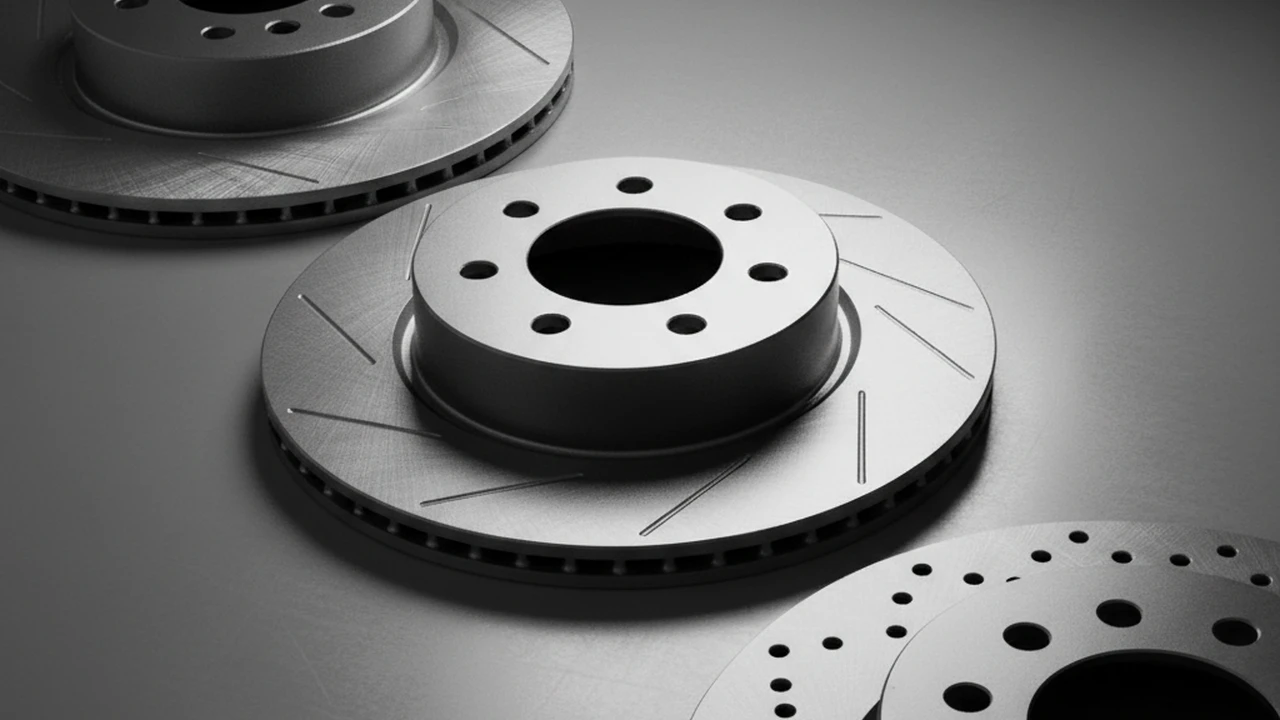
Drilled rotors have holes drilled into their surface. These holes serve multiple purposes: they help to dissipate heat, allow gases produced during braking to escape, and can help to shed water in wet conditions. Drilled rotors often provide a more aggressive look and can offer slightly improved braking performance, especially in wet weather. However, the drilling process can create stress points in the rotor, potentially making them more susceptible to cracking under extreme stress compared to plain or slotted rotors. They are generally more expensive and are often chosen for performance applications or aesthetic appeal.
Slotted Rotors
Slotted rotors have grooves or slots machined into their surface. These slots help to sweep away brake dust and gases from the friction surface, ensuring consistent contact between the pad and rotor. They also help to keep the rotor surface clean and can improve braking performance in wet conditions by allowing water to escape. Slotted rotors are a popular choice for performance-oriented drivers and those who frequently encounter wet driving conditions. They offer a good balance between performance and durability, often outperforming drilled rotors in terms of longevity and resistance to cracking.
Performance Rotors (Combination)
Many performance-oriented brake rotors combine features like slotting and drilling, or use advanced materials and coatings. These rotors are designed for maximum heat dissipation, consistent performance under extreme conditions, and often feature corrosion-resistant coatings for added durability. While they come at a higher price point, they are the preferred choice for racing, track days, or vehicles that are frequently pushed to their limits.
Key Factor 1 Material And Construction
The material and construction of a brake rotor significantly influence its performance, durability, and cost. Understanding these aspects will help you choose rotors that meet your specific driving needs and budget.
Cast Iron
The vast majority of brake rotors are made from cast iron. This material is chosen for its excellent friction properties, its ability to withstand high temperatures, and its relatively low cost. There are different grades of cast iron, with higher-carbon content generally offering better thermal stability and resistance to warping. For most everyday vehicles in the US and SEA, standard cast iron rotors provide a reliable and cost-effective solution.
Composites and Advanced Alloys
While less common for standard replacements, some high-performance and specialized vehicles utilize rotors made from composite materials or advanced alloys. These materials can offer advantages such as lighter weight (reducing unsprung mass for better handling) and superior heat resistance. However, they are significantly more expensive and may require specific brake pad compounds to function optimally. For the average car owner, sticking with quality cast iron rotors is usually the most practical choice.
Coated Rotors
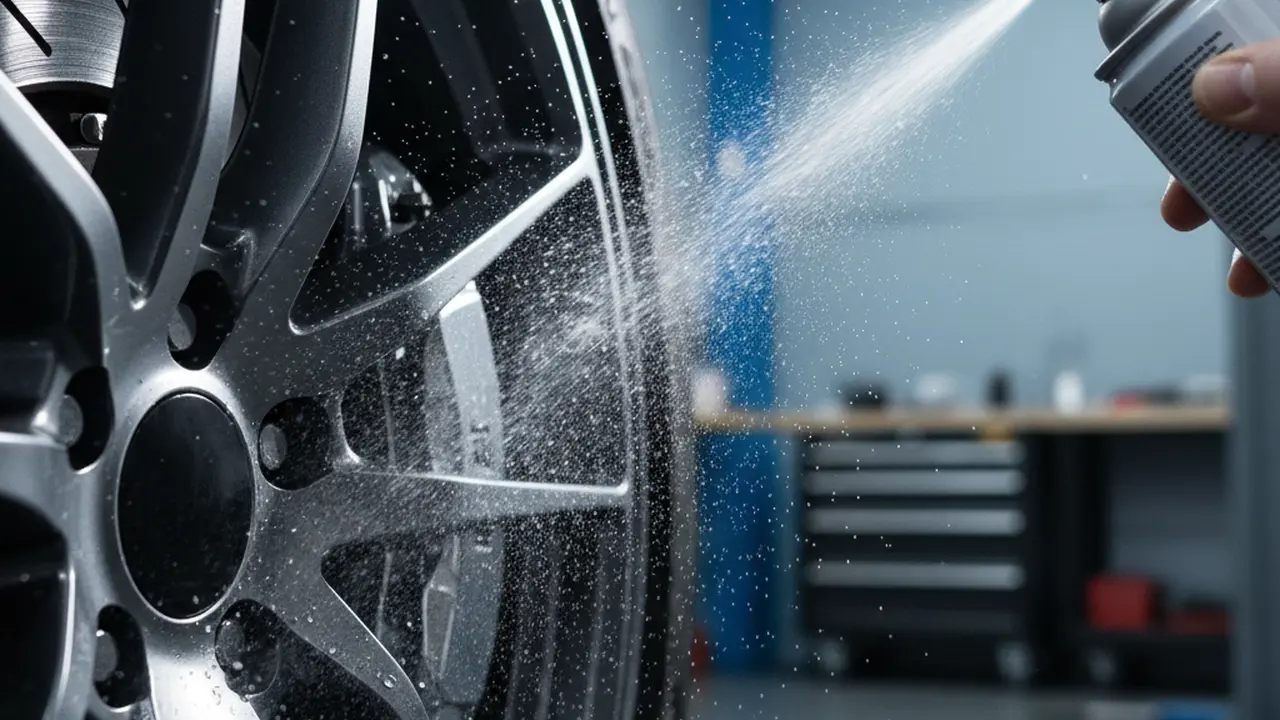
Many modern rotors come with protective coatings, typically on the non-friction surfaces (like the hub and edges). These coatings, often a form of zinc or epoxy, are primarily for corrosion resistance. This is particularly beneficial in regions with harsh weather conditions, such as areas that experience heavy rainfall or use road salt in the winter, common in parts of the US and can be relevant in certain SEA climates prone to humidity and corrosion. Coated rotors not only look better for longer but also prevent rust buildup that can interfere with brake performance and make future maintenance more difficult.
One-Piece vs. Two-Piece Rotors
As mentioned earlier, rotors can be either one-piece or two-piece. One-piece rotors are a single casting, common in most standard vehicles. Two-piece rotors consist of a cast iron friction ring attached to an aluminum or steel hat. This design offers several advantages: it allows for better thermal management as the hat can dissipate heat, it can reduce weight, and it makes replacement easier as only the friction ring needs to be replaced when worn. Two-piece rotors are typically found on higher-performance vehicles due to their increased cost and complexity.
Key Factor 2 Driving Conditions And Vehicle Type
Your typical driving environment and the type of vehicle you own are crucial factors in determining the best brake rotors for your needs. What works for a daily commuter might not be suitable for a performance car or a heavy-duty truck.
Everyday Commuting And City Driving
For drivers who primarily use their vehicles for commuting in urban environments or on highways with moderate traffic, standard solid or vented rotors made from quality cast iron are usually sufficient. The focus here is on reliability, longevity, and cost-effectiveness. Brands like Brembo (their standard lines), Bosch, and Centric offer excellent OE (Original Equipment) replacement rotors that provide a good balance of performance and value. These rotors are designed to handle the typical stop-and-go traffic and highway speeds encountered in daily driving without excessive wear or overheating.
Performance Driving And Enthusiast Use
If you engage in spirited driving, track days, autocross, or simply demand higher performance from your braking system, you'll need rotors that can handle increased heat and stress. Slotted or drilled rotors, or a combination of both, are often recommended. Look for rotors made from higher-carbon cast iron for better thermal capacity. Brands like EBC Brakes, StopTech, and PowerStop offer performance-oriented rotor kits that are designed to work optimally with performance brake pads. These rotors are engineered for superior heat dissipation and consistent stopping power under demanding conditions. For example, EBC's USR slotted rotors are a popular choice for a balance of performance and daily drivability, while their BSD rotors offer more aggressive slotting for track use.
Towing And Hauling Heavy Loads
Vehicles used for towing trailers or hauling heavy loads place significant stress on the braking system. In these cases, rotors that offer superior heat management and durability are essential. Vented rotors are a minimum requirement, and many owners opt for heavy-duty or performance rotors with enhanced cooling designs. Look for rotors with thicker friction rings and robust construction. Brands like Raybestos and Dorman offer heavy-duty replacement rotors designed to withstand the extra demands of towing and hauling. Ensure that the rotors you choose are rated for the Gross Vehicle Weight Rating (GVWR) of your vehicle and its typical load.
Specific Vehicle Types
Sedans and Daily Drivers: OE-style vented rotors from reputable brands like Bosch, Brembo (standard lines), or Centric are usually the best choice. They offer a good balance of performance, longevity, and price. For example, a Bosch QuietCast Premium Rotor offers good performance and quiet operation for everyday use.
Sports Cars and Performance Vehicles: Slotted or drilled rotors from brands like StopTech, EBC Brakes, or PowerStop are excellent options. These rotors are designed to handle higher temperatures and provide improved stopping power. A StopTech Sport Rotor is a great upgrade for those seeking better performance.
Trucks and SUVs: For trucks and SUVs, especially those used for towing or off-roading, heavy-duty vented rotors are recommended. Brands like Raybestos or Dorman offer robust options. PowerStop's Z36 Truck & Tow brake rotor and pad kit is a popular choice for enhanced braking under load.
Off-Road Vehicles: Off-road vehicles often face extreme conditions like mud, water, and debris. Slotted rotors can help clear these contaminants from the friction surface. Some specialized off-road rotors also feature protective coatings to resist rust and corrosion.
Key Factor 3 Budget And Brand Reputation
Your budget and the reputation of the brand you choose play a significant role in the quality and reliability of the brake rotors you purchase. While it might be tempting to opt for the cheapest option, investing in quality can save you money and ensure your safety in the long run.
Budget Considerations
Brake rotors can range in price from around $20-$50 for basic solid rotors for smaller cars to $150-$300 or more per rotor for high-performance or specialized two-piece units. For most standard vehicles, a good quality set of vented rotors from a reputable aftermarket brand will typically cost between $100 and $250 for a pair (front or rear). It's important to balance cost with quality. Extremely cheap rotors may be made from inferior materials, leading to premature wear, warping, or reduced braking performance. Consider the total cost of ownership, including potential replacement frequency and the impact on brake pad life.
Reputable Brands And Their Offerings
Several brands have built a strong reputation for producing high-quality brake rotors. Here are a few examples:
- Bosch: Known for OE-quality parts, Bosch offers reliable and durable rotors that are a great choice for everyday driving. Their QuietCast line is popular for its quiet operation and longevity. Estimated Price Range: $40-$100 per rotor.
- Brembo: A world-renowned name in braking systems, Brembo offers a range of rotors from standard OE replacements to high-performance slotted and drilled options. Their standard rotors are excellent quality, while their performance lines offer superior heat handling. Estimated Price Range: $60-$200+ per rotor.
- Centric Parts: Centric offers a wide array of rotors, including their C-TEK standard line for everyday use and their PosiQuiet and Cryo lines for enhanced performance and durability. They are known for good value. Estimated Price Range: $30-$80 per rotor.
- EBC Brakes: A leader in performance braking, EBC offers various rotor types, including their popular USR (Ultimax) slotted rotors and BSD (Black Dash) rotors for aggressive performance. They are a go-to for enthusiasts. Estimated Price Range: $70-$150+ per rotor.
- StopTech: Another top-tier performance brand, StopTech provides high-quality slotted and drilled rotors designed for demanding driving conditions. Their Sport Rotors are a popular upgrade. Estimated Price Range: $80-$180+ per rotor.
- PowerStop: PowerStop offers complete brake kits that often include rotors and pads, providing a convenient and cost-effective upgrade. Their Z23 and Z36 kits are highly regarded for performance and towing applications, respectively. Estimated Price Range for kits: $200-$500+.
- Raybestos: A long-standing name in the automotive industry, Raybestos offers a comprehensive range of rotors, including heavy-duty options suitable for trucks and SUVs. Estimated Price Range: $40-$120 per rotor.
- Dorman: Dorman is known for providing a wide range of replacement parts, including rotors for various applications, often at competitive prices. They are a good option for budget-conscious repairs. Estimated Price Range: $30-$70 per rotor.
Warranty And Guarantees
When purchasing brake rotors, check the manufacturer's warranty. Most reputable brands offer a limited warranty against defects in materials and workmanship. Some performance brands may offer warranties based on mileage or specific usage conditions. A good warranty provides peace of mind and indicates the manufacturer's confidence in their product's quality and durability. For example, some coated rotors come with a warranty against rust for a certain period.
Where To Buy
You can purchase brake rotors from various sources, including:
- Online Retailers: Websites like Amazon, RockAuto, AutoZone, Advance Auto Parts, and dedicated auto parts e-commerce sites offer a vast selection and competitive pricing.
- Local Auto Parts Stores: Stores like AutoZone, O'Reilly Auto Parts, and NAPA Auto Parts offer convenience and immediate availability, along with knowledgeable staff who can assist you.
- Dealerships: While typically the most expensive option, dealerships offer OEM (Original Equipment Manufacturer) parts that are guaranteed to fit your specific vehicle.
- Professional Mechanics: If you're having your rotors installed by a mechanic, they can often supply the parts as well, though it's always a good idea to discuss your options and preferences beforehand.
When making your purchase, ensure you are buying rotors specifically designed for your vehicle's make, model, year, and trim level. Incorrectly sized or designed rotors can lead to improper fitment, reduced performance, and safety hazards.
Putting It All Together Your Best Rotor Choice
Selecting the right brake rotors involves balancing performance needs, driving conditions, and budget. For the average driver in the US or SEA, a set of high-quality, coated, vented rotors from a reputable brand like Bosch or Centric will provide excellent performance and longevity for daily driving. If you're an enthusiast who enjoys spirited driving, consider slotted or drilled rotors from EBC Brakes or StopTech to enhance your vehicle's stopping power and heat resistance. For those who tow or haul heavy loads, heavy-duty rotors from Raybestos or PowerStop's towing-specific kits are a wise investment. Always prioritize safety and choose rotors from trusted brands that meet or exceed your vehicle's specifications. Proper installation and regular inspection of your brake system are also crucial for ensuring optimal performance and safety on the road.