Brake Pad Wear Indicators Explained 4 Types
Understand the 4 types of brake pad wear indicators and how they alert you to replace your brake pads. Learn about audible, visual, and electronic indicators for optimal safety.
Brake Pad Wear Indicators Explained 4 Types
Meta Description: Understand the 4 types of brake pad wear indicators and how they alert you to replace your brake pads. Learn about audible, visual, and electronic indicators for optimal safety.
Hey there, car enthusiasts and everyday drivers! Keeping your vehicle in top shape is crucial, and one of the most vital safety systems is your brakes. You know, those things that stop you? Well, a key component of your braking system is the brake pads, and they don't last forever. They wear down with use, and knowing when to replace them is super important. That's where brake pad wear indicators come in. These clever little devices are designed to give you a heads-up before your pads get so thin that they start causing damage or, worse, compromise your stopping power. Let's dive into the four main types of brake pad wear indicators you'll find out there.
Why Brake Pad Wear Indicators Matter for Your Safety
Before we get into the nitty-gritty of the types, let's quickly chat about why these indicators are such a big deal. Imagine driving along, and suddenly you hear a squealing noise every time you brake. That's often your first clue that your brake pads are getting low. If you ignore it, that squeal can turn into a grinding sound, which means metal-on-metal contact. This is bad news. It not only drastically reduces your braking effectiveness but can also damage your brake rotors, which are a much more expensive part to replace than brake pads. Wear indicators are your early warning system, designed to prevent this costly and dangerous situation. They give you ample time to schedule a replacement before things get serious.
Type 1 Audible Brake Pad Wear Indicators The Squealers
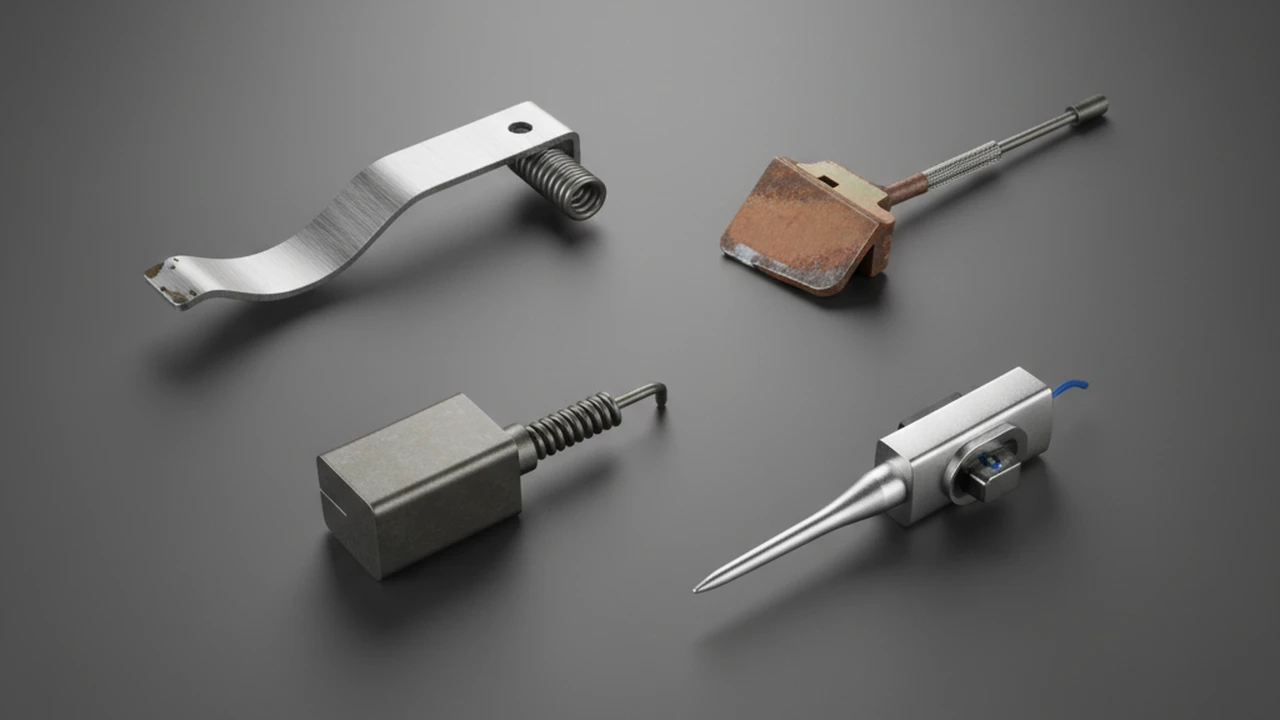
This is by far the most common type of brake pad wear indicator, and you've probably heard it before. These are small, often metal, tabs that are attached to the brake pad itself. When the brake pad wears down to a certain thickness, this metal tab makes contact with the brake rotor. Because it's metal hitting metal, it creates a high-pitched squealing or scraping sound. It's designed to be annoying enough that you can't ignore it. Think of it as your car's way of shouting, "Hey, I need new brake pads, and I need them soon!"
How They Work
The tab is usually made of a harder metal than the brake pad material. As the pad wears away, the backing plate of the pad gets closer and closer to the rotor. Eventually, the wear indicator tab, which is strategically positioned, will touch the rotor surface. The friction and vibration generated by this contact create the distinct squealing noise. The intensity of the squeal often increases as the pad gets even thinner.
Pros and Cons of Audible Indicators
Pros:
- Simple and Reliable: They are mechanical and don't rely on electronics, making them very dependable.
- Cost-Effective: They are inexpensive to manufacture and integrate into brake pads.
- Clear Warning: The sound is usually unmistakable and hard to miss, even for less attentive drivers.
Cons:
- Can Be Ignored: Some drivers might turn up their radio to drown out the noise, delaying necessary maintenance.
- Environmental Factors: In very wet or dirty conditions, you might get false squeals, or the sound might be muffled.
- Only Warns When Thin: They only activate when the pad is already quite worn, leaving less room for error compared to other types.
When to Replace Your Pads
If you start hearing this squealing noise consistently every time you apply the brakes, it's time to get your brake pads inspected. Most mechanics recommend replacing them when the pad material is down to about 3-4 millimeters (around 1/8 inch) or when the indicator starts making noise. Don't wait until you hear grinding!
Type 2 Visual Brake Pad Wear Indicators The Cutouts
Some brake pads come with a visual indicator, which is essentially a small cutout or groove in the pad material. This cutout is designed to be visible when you look at the brake pad through the wheel spokes. As the pad wears down, the cutout gets shallower and eventually disappears. The absence of the cutout is your visual cue that the pad needs replacing.
How They Work
The cutout is a deliberate design feature. It serves two purposes: firstly, it helps to reduce heat buildup within the pad by allowing air to circulate. Secondly, and more importantly for our discussion, it acts as a visual marker. When the pad material has worn down to the level of the cutout, it's a clear sign that the pad is nearing its minimum thickness. Some manufacturers might even have a secondary, shallower cutout or a different colored material beneath the main pad material to indicate even further wear.
Pros and Cons of Visual Indicators
Pros:
- Easy to Inspect: You can often check these yourself by looking through your wheels, especially if you have alloy wheels.
- No Annoying Noise: For those who dislike the squealing sound, this is a quieter alternative.
- Clear Visual Cue: The disappearance of the cutout is a straightforward indicator.
Cons:
- Requires Inspection: You need to actively look at your brake pads to see the indicator. If you don't check, you won't know.
- Wheel Obstruction: Dirt, brake dust, or the design of your wheels can sometimes make it difficult to see the cutout clearly.
- Subjective Assessment: Judging the remaining thickness based on a disappearing cutout can be less precise than other methods.
When to Replace Your Pads
If you notice that the cutout on your brake pads is gone or significantly reduced, it's time for a brake inspection and likely a replacement. It's a good practice to check your brake pads periodically, perhaps every oil change, to monitor the wear on these visual indicators.
Type 3 Electronic Brake Pad Wear Sensors The Modern Approach
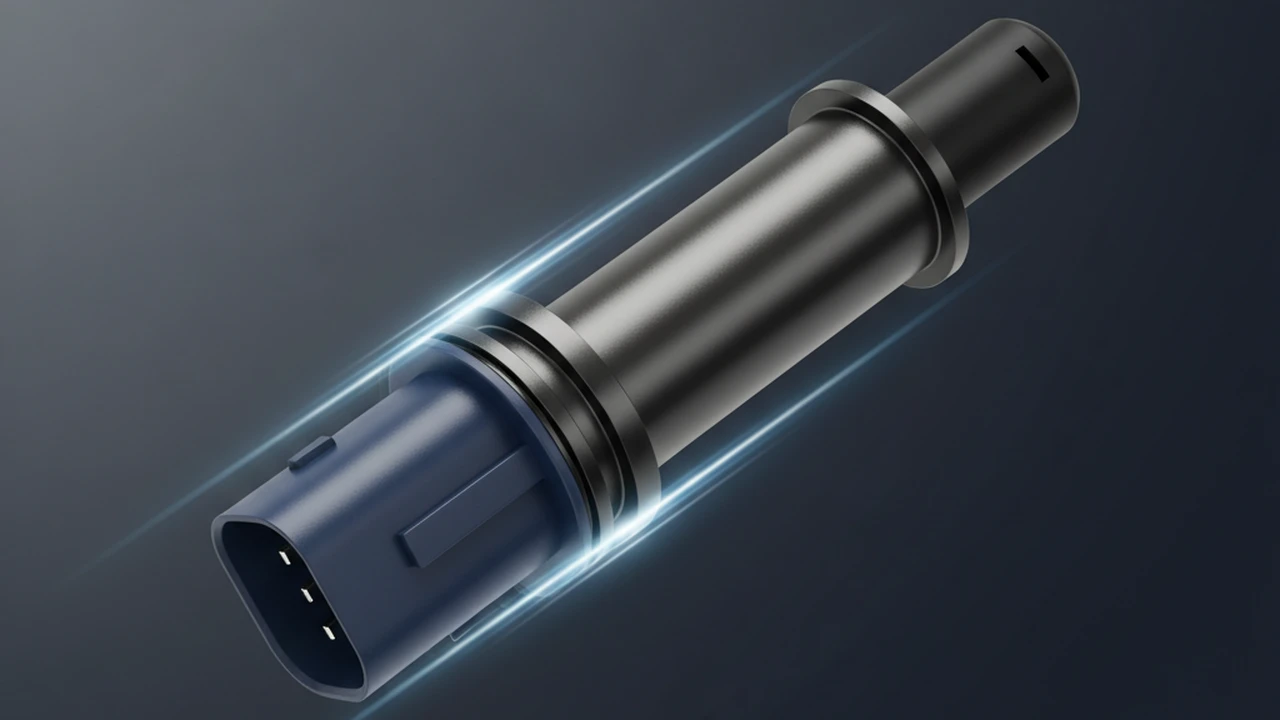
This is the most advanced type of wear indicator and is commonly found on newer vehicles, particularly luxury or performance models. Electronic sensors are small metal tabs that are embedded into the brake pad material. These sensors are connected to a warning light on your car's dashboard.
How They Work
When the brake pad wears down to a specific point, the sensor makes contact with the brake rotor. This contact completes an electrical circuit, which then triggers a warning light on your dashboard, often displaying a symbol like "BRAKE" or a circle with a line through it. This provides a direct and unmistakable alert to the driver.
Pros and Cons of Electronic Sensors
Pros:
- Direct Dashboard Alert: The warning light is impossible to miss and directly informs the driver.
- Early Warning: These sensors are often designed to trigger earlier than audible indicators, giving you more time.
- Precise Indication: They provide a clear electronic signal rather than relying on sound or visual interpretation.
Cons:
- Higher Cost: Both the sensors and the brake pads with embedded sensors are generally more expensive.
- Electrical System Dependency: They rely on the vehicle's electrical system, so a fault in the wiring or the warning light system could prevent the alert.
- Sensor Replacement: If the sensor triggers, it often needs to be replaced along with the brake pads, adding to the cost.
Specific Product Examples and Pricing (Illustrative)
While specific part numbers vary greatly by vehicle make and model, here are some examples of brands that produce brake pads with electronic wear sensors and general price ranges. Remember to always verify fitment for your specific vehicle.
- Textar: A well-known OE (Original Equipment) supplier. Their pads with sensors can range from $80 - $150 per axle for many common sedans and SUVs.
- Bosch: Another reputable brand offering quality brake components. Expect prices in the range of $70 - $140 per axle for their sensor-equipped pads.
- TRW: Known for reliable braking solutions. Their pads with sensors might be found for $75 - $130 per axle.
- Akebono: Often an OE supplier for Japanese manufacturers. Prices can be similar, around $80 - $150 per axle.
Scenario: Imagine you're driving your 2018 Toyota Camry on a highway trip, and the "BRAKE" warning light illuminates. This tells you that at least one set of your brake pads has reached a critical wear level. You should plan to have them inspected and replaced at your earliest convenience, perhaps during your next scheduled maintenance or by finding a reputable auto shop in the next town.
When to Replace Your Pads
As soon as the electronic wear indicator light illuminates on your dashboard, it's a definitive signal to replace your brake pads. Don't delay, as this indicates the pads are at or very near their minimum safe thickness.
Type 4 Integrated Wear Indicators The Less Common Approach
This type is less common and might be integrated directly into the brake pad's backing plate or friction material in a less obvious way than the previous types. Sometimes, manufacturers might use a different colored friction material that becomes visible when the primary layer wears away. Other designs might involve a small metal piece embedded in the backing plate that, when worn through, changes the brake's feel or sound subtly.
How They Work
The exact mechanism varies. For instance, a pad might have a thin layer of a different colored material bonded to its surface. Once the top layer wears off, the different color is exposed, signaling wear. Another design could involve a small metal shim integrated into the backing plate that, when worn down, alters the thermal or acoustic properties of the brake assembly, leading to a change in feel or sound, though not necessarily a loud squeal.
Pros and Cons of Integrated Indicators
Pros:
- Subtle Warning: Can provide a less intrusive warning than loud squeals.
- Potentially Longer Pad Life: Some designs might allow for slightly more pad material usage before triggering.
Cons:
- Difficult to Detect: These can be the hardest to spot without specific knowledge of the design.
- Less Common: Not found on a wide range of vehicles, making them less familiar to the average driver or mechanic.
- Ambiguous Signals: The warning might be subtle and easily missed or misinterpreted.
When to Replace Your Pads
With integrated indicators, it's crucial to consult your vehicle's owner's manual or a trusted mechanic to understand what signs to look for. If you notice any subtle changes in brake performance, feel, or sound that seem unusual, it's best to have them checked.
Comparing the Types and Making the Right Choice
Each type of brake pad wear indicator has its strengths and weaknesses. For most everyday vehicles, the audible squealer is the standard and works well. It's a simple, effective, and cheap way to get a warning. If your car came equipped with electronic sensors, that's generally the most convenient and direct warning system, though it can be more expensive to replace the pads.
Product Comparison Table (Illustrative)
| Indicator Type | How it Warns | Pros | Cons | Typical Cost (per axle) | Best For |
|---|---|---|---|---|---|
| Audible (Squealer) | High-pitched squeal | Simple, reliable, cost-effective | Can be ignored, warns late | $40 - $100 (for pads) | Most standard vehicles |
| Visual (Cutout) | Disappearing groove | Easy to inspect, no noise | Requires manual check, can be hard to see | $40 - $100 (for pads) | DIYers, visual inspection enthusiasts |
| Electronic (Sensor) | Dashboard warning light | Direct alert, precise, often earlier warning | More expensive, relies on electronics | $70 - $150 (for pads with sensors) | Newer vehicles, convenience seekers |
| Integrated | Subtle change in color, feel, or sound | Subtle warning, potentially longer life | Hard to detect, less common, ambiguous | Varies widely | Specific vehicle models |
Choosing the Right Brake Pads for Your Vehicle
When you're shopping for new brake pads, always ensure they are compatible with your vehicle's make, model, and year. Check if your car originally came with wear indicators and decide which type you prefer. If your car has electronic sensors, you'll likely want to replace them with pads that also have sensors, unless you plan to bypass the system (which is generally not recommended for safety reasons).
Example Scenario: Let's say you drive a 2015 Ford F-150. You might find that standard replacement pads come with audible squealers, costing around $60-$120 per axle. If you want to upgrade to performance pads with better stopping power, you might look at brands like EBC or Hawk, which could cost $100-$200 per axle and might also include electronic sensors or advanced audible indicators.
Maintaining Your Braking System Beyond Wear Indicators
While wear indicators are fantastic tools, they are just one part of brake maintenance. Regularly inspecting your entire braking system is essential. This includes checking the brake fluid level and condition, looking for leaks in the brake lines, and ensuring the brake rotors are in good shape (not excessively worn, grooved, or warped). Even with the best wear indicators, a thorough visual inspection by a qualified technician is always a good idea during your regular vehicle check-ups.
Remember, your brakes are your first line of defense on the road. Paying attention to these wear indicators, whether they squeal, show a cutout, or light up your dashboard, is a simple yet critical step in ensuring your safety and the safety of others. So next time you hear a strange noise or see a warning light, don't ignore it – get it checked out!