Understanding Brake Lines 5 Essential Information
Learn the essential 5 pieces of information about brake lines, their importance, and when to replace them. Ensure optimal braking performance and safety for your vehicle.
Understanding Brake Lines 5 Essential Information
Discover the essential 5 pieces of information about brake lines, their importance, and when to replace them. Ensure optimal braking performance and safety for your vehicle.
Hey there, car enthusiasts and DIY mechanics! Today, we're diving deep into a critical, yet often overlooked, component of your vehicle's safety system: the brake lines. These unsung heroes are responsible for transmitting the force from your brake pedal to your brake calipers or wheel cylinders, ultimately bringing your car to a halt. Without properly functioning brake lines, your braking system is essentially useless. So, let's get down to the nitty-gritty and cover five essential pieces of information you absolutely need to know about brake lines.
Why Brake Lines Matter For Your Vehicle's Safety
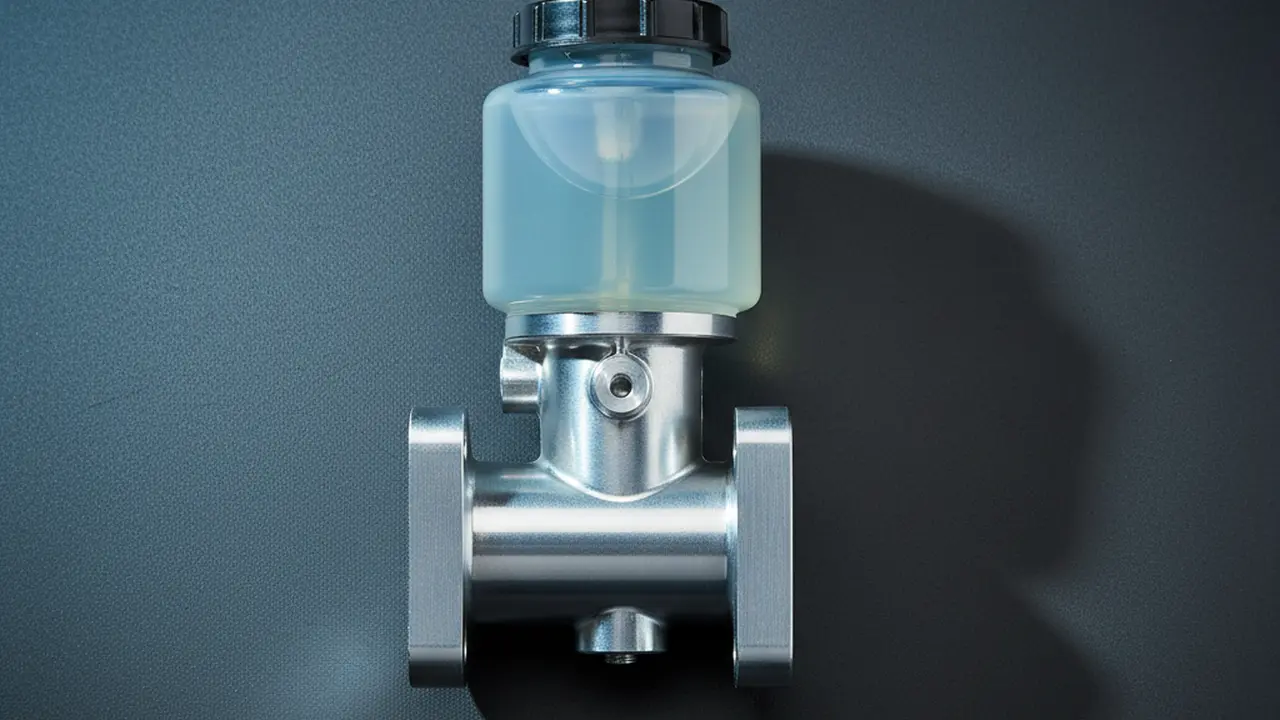
Before we jump into the specifics, let's quickly touch on why brake lines are so darn important. Think of them as the arteries of your braking system. When you press the brake pedal, it activates the master cylinder, which then pressurizes the brake fluid. This pressurized fluid travels through the brake lines to the braking mechanisms at each wheel. If there's a leak, a blockage, or a rupture in these lines, that fluid pressure is lost, and your brakes won't work effectively, or worse, they might fail altogether. This is why maintaining your brake lines is paramount for your safety and the safety of everyone on the road.
Brake Line Materials What Are They Made Of
Brake lines aren't just made of any old metal. They need to withstand significant pressure, temperature fluctuations, and exposure to corrosive elements like road salt and moisture. Over the years, different materials have been used, and understanding these can help you make informed decisions when it's time for a replacement. Here are the most common types you'll encounter:
1. Steel Brake Lines (Most Common)
This is the workhorse of the automotive world. Most factory-installed brake lines are made of steel, often coated with a protective layer like zinc or nickel to prevent corrosion. They are relatively inexpensive, strong, and readily available. However, steel is susceptible to rust, especially in areas with harsh winters or coastal environments. Over time, rust can weaken the lines, leading to leaks or complete failure.
2. Stainless Steel Brake Lines
For those looking for superior durability and corrosion resistance, stainless steel is the way to go. These lines are significantly more resistant to rust and corrosion than standard steel lines. They offer excellent longevity and maintain their integrity under high pressure. While they are more expensive upfront, their extended lifespan and reduced risk of failure can make them a cost-effective choice in the long run, especially for performance vehicles or in challenging climates.
3. Rubber Brake Hoses
While technically not a 'line' in the rigid sense, rubber brake hoses are an integral part of the system. They are typically used for the final connection to the brake calipers or wheel cylinders, allowing for the movement of the suspension and steering components. These hoses are reinforced with fabric or wire to handle the pressure. However, rubber degrades over time due to heat, ozone, and physical stress. Cracks, bulges, or leaks in rubber hoses are common failure points.
4. Braided Stainless Steel Hoses (Performance Upgrade)
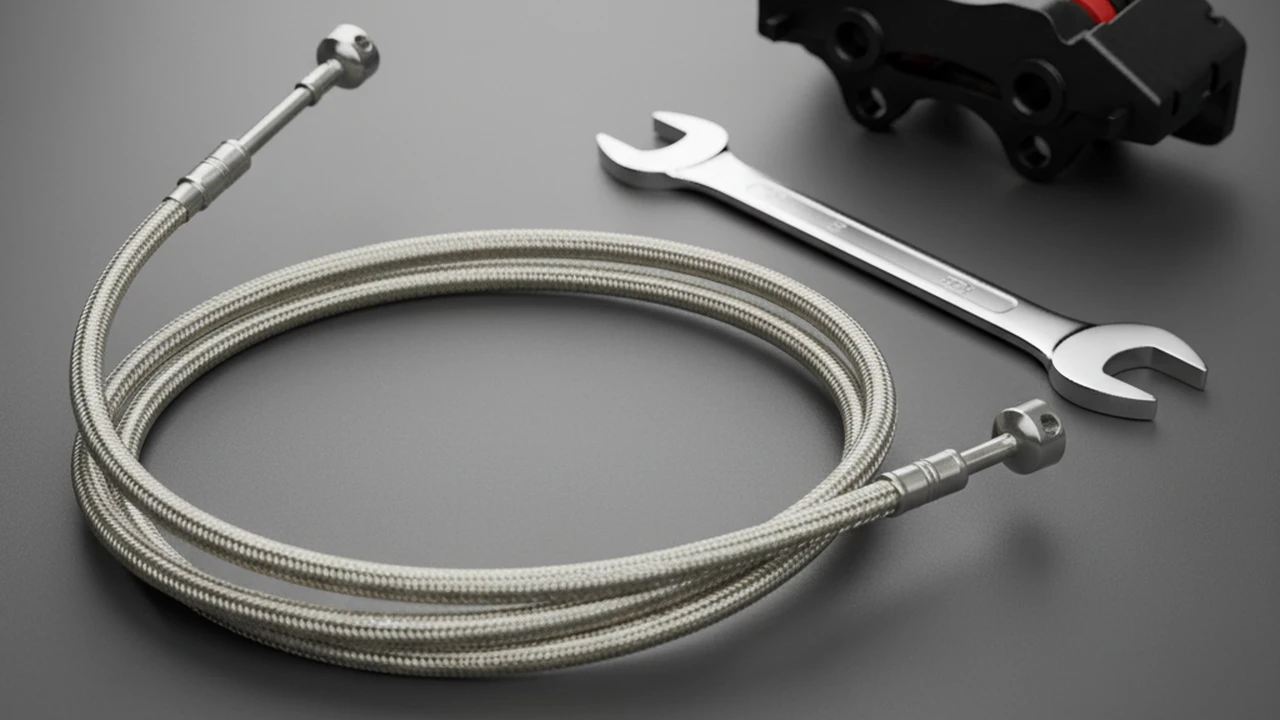
These are a popular upgrade for performance enthusiasts. Braided stainless steel hoses consist of a Teflon or synthetic rubber inner tube surrounded by a woven stainless steel braid, often with an outer protective sleeve. The stainless steel braid provides exceptional strength, preventing the hose from expanding under pressure (which can happen with rubber hoses, leading to a spongy brake pedal). This results in a firmer, more responsive brake pedal feel. They are also highly resistant to abrasion and corrosion.
Common Brake Line Problems And How To Spot Them
Regular inspection of your brake lines is crucial. Catching a problem early can prevent a dangerous situation. Here are the most common issues you should look out for:
1. Corrosion and Rust
As mentioned, steel brake lines are prone to rust. Look for visible signs of rust, especially on the lines running along the undercarriage of your vehicle. Pitting or flaking of the metal is a serious warning sign. If you live in an area where roads are salted in winter, pay extra attention to these areas.
2. Leaks
Brake fluid leaks are a dead giveaway that something is wrong. You might notice a puddle of fluid under your car, or you might see wet spots on the brake lines themselves. The fluid is typically clear or slightly amber. Low brake fluid levels in the reservoir can also indicate a leak somewhere in the system.
3. Cracks and Abrasions
Inspect the rubber brake hoses for any signs of cracking, splitting, or bulging. Also, check for any areas where the brake lines might be rubbing against other components, which can cause abrasions and weaken the line over time.
4. Kinks and Bends
Brake lines should have smooth bends. Sharp kinks or bends can restrict fluid flow and create weak points that are prone to failure.
5. Spongy or Soft Brake Pedal
While this can be caused by air in the brake lines or issues with the master cylinder, it can also be a symptom of a failing brake line, particularly a bulging rubber hose that is expanding under pressure instead of transmitting it effectively.
When Should You Replace Your Brake Lines
There's no one-size-fits-all answer to when brake lines need replacing, as it depends on several factors, including the material of the lines, your driving conditions, and maintenance history. However, here are some general guidelines:
- Age: Rubber brake hoses typically have a lifespan of 5-7 years, after which they become brittle and prone to failure. Even if they look okay, it's wise to consider replacing them as a preventative measure.
- Visible Damage: Any signs of corrosion, rust, cracks, bulges, or leaks on any type of brake line warrant immediate replacement.
- Performance Issues: If you notice a spongy brake pedal, reduced braking effectiveness, or any other braking anomalies, it's time to have your brake lines inspected and potentially replaced.
- Preventative Maintenance: For steel brake lines, especially in corrosive environments, consider replacing them every 7-10 years as part of a comprehensive preventative maintenance schedule.
- After an Accident: If your vehicle has been involved in an accident, even a minor one, it's a good idea to have the brake lines inspected for any hidden damage.
Replacing Brake Lines Product Recommendations and Considerations
Replacing brake lines can be a DIY job for the mechanically inclined, but it requires precision and care. If you're not comfortable with it, it's best left to a professional mechanic. When it comes time to replace your brake lines, you'll want to choose quality parts. Here are a few recommendations and things to consider:
Product Recommendations
1. Centric Parts Stainless Steel Brake Lines
Description: Centric Parts offers a wide range of high-quality stainless steel brake lines designed to meet or exceed OEM specifications. They are known for their durability, corrosion resistance, and precise fitment. These lines often feature a braided stainless steel outer layer for added protection and a Teflon inner lining for smooth fluid flow.
Use Cases: Ideal for daily drivers, performance vehicles, and vehicles driven in harsh weather conditions (e.g., areas with road salt or high humidity). They provide a noticeable improvement in pedal feel compared to aging rubber lines.
Comparison: Compared to standard rubber hoses, Centric stainless steel lines offer superior longevity, a firmer pedal feel, and much greater resistance to damage from road debris or heat. They are a significant upgrade over OEM rubber components.
Estimated Price Range: $80 - $250 per set (depending on vehicle make and model).
2. Goodridge Stainless Steel Braided Hoses
Description: Goodridge is a well-respected name in the performance automotive industry, and their braided stainless steel brake hoses are top-tier. They utilize advanced materials and construction techniques to provide exceptional performance, reliability, and safety. Their hoses often feature a clear or colored outer coating for abrasion resistance and aesthetics.
Use Cases: Highly recommended for performance driving, track days, off-roading, and any application where consistent, firm braking under extreme conditions is essential. They are also a great choice for restoring classic cars where durability is key.
Comparison: Goodridge hoses offer a premium performance upgrade. They provide the ultimate in pedal feel and responsiveness due to their zero-expansion characteristics under pressure. They are more expensive than basic stainless steel lines but deliver unparalleled performance and durability.
Estimated Price Range: $150 - $400+ per set (depending on vehicle and specific hose configuration).
3. Dorman Copper-Nickel Brake Lines (for Custom Fabrication)
Description: While not a direct replacement kit, Dorman offers copper-nickel alloy tubing that is excellent for fabricating custom brake lines or replacing rusted-out steel lines. This material is relatively easy to bend and flare, making it a popular choice for DIYers. It offers good corrosion resistance, though not as robust as stainless steel.
Use Cases: Perfect for custom builds, replacing sections of rusted steel lines, or when pre-made kits are unavailable for older or unique vehicles. It's a more budget-friendly option for line replacement if you have the tools and skills for fabrication.
Comparison: Easier to work with than stainless steel for DIY fabrication. Offers better corrosion resistance than plain steel but is not as durable as stainless steel. Requires flaring tools and careful installation to ensure leak-free connections.
Estimated Price Range: $20 - $60 for a roll of tubing (you'll also need fittings and flaring tools).
Installation Considerations
- Tools: You'll need a flare nut wrench set (to avoid rounding off the fittings), a tubing bender, and a flaring tool (if fabricating lines).
- Brake Fluid: Always use the correct type of brake fluid specified for your vehicle (DOT 3, DOT 4, etc.).
- Bleeding: After replacing brake lines, the entire brake system must be bled to remove any air. This is a critical step for proper brake function.
- Professional Help: If you're unsure about any part of the process, especially flaring and bleeding, consult a professional mechanic. Your brakes are not something to take chances with.
The Importance of Regular Inspection and Maintenance
We've covered a lot about brake lines, from what they're made of to common problems and replacement. The overarching theme here is the importance of regular inspection and maintenance. Don't wait until you feel something is wrong with your brakes. Make it a habit to visually inspect your brake lines every time you have your wheels off for tire rotation or other maintenance. Look for any of the signs of damage we discussed. A little bit of preventative care can go a long way in ensuring your braking system remains reliable and safe for years to come. Keep those lines in good shape, and your car will thank you with dependable stopping power when you need it most!