Choosing a Master Cylinder 5 Key Features
Select the right master cylinder for your vehicle by understanding 5 key features. Ensure proper hydraulic brake system function.
Choosing a Master Cylinder 5 Key Features
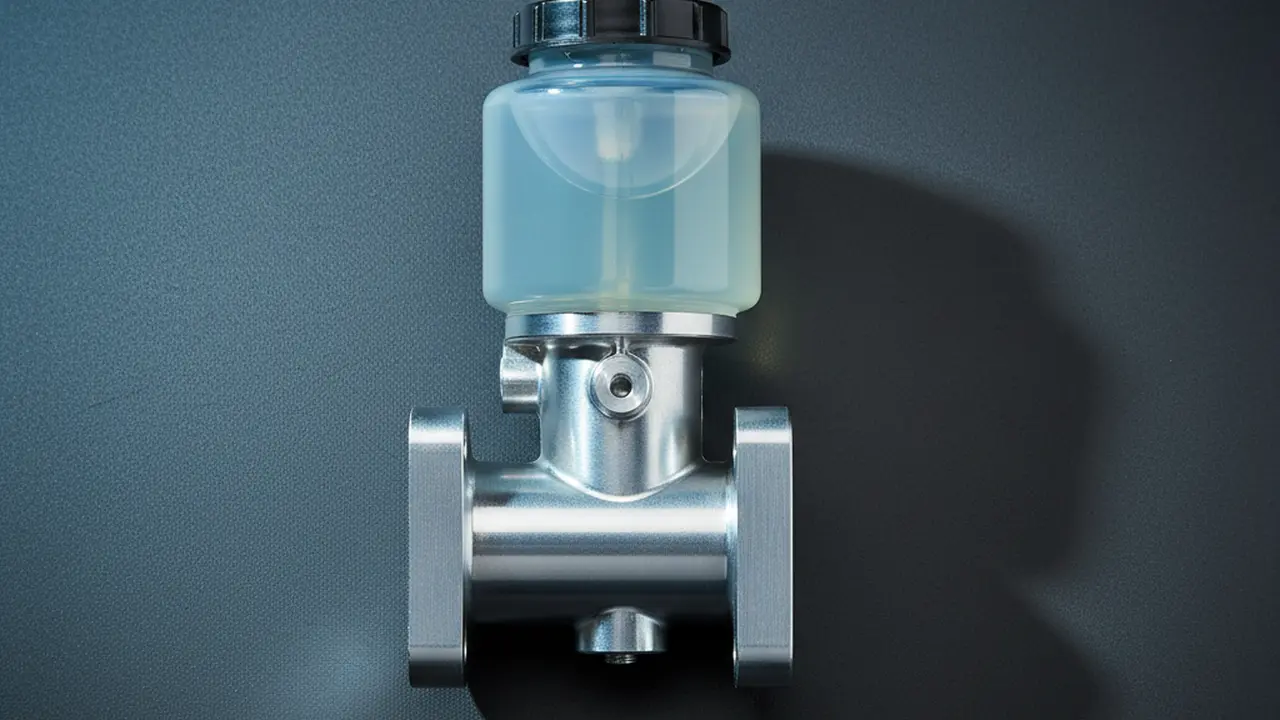
Selecting the right master cylinder is crucial for the optimal performance and safety of your vehicle's braking system. This component acts as the heart of your hydraulic braking system, converting the mechanical force from your brake pedal into hydraulic pressure that forces the brake pads or shoes against the rotors or drums. Getting this right ensures reliable stopping power when you need it most. In this guide, we'll dive deep into the 5 key features you need to consider when choosing a master cylinder, along with product recommendations, usage scenarios, and comparative details to help you make an informed decision for your US or Southeast Asian vehicle.
Why Your Master Cylinder Matters for Safe Braking
Think of your master cylinder as the command center for your brakes. When you press the brake pedal, it pushes a piston inside the master cylinder, which in turn pressurizes brake fluid. This fluid then travels through the brake lines to each wheel, activating the braking mechanism. If your master cylinder isn't functioning correctly, or if you choose the wrong one, you could experience a spongy brake pedal, reduced braking effectiveness, or even complete brake failure. This is why understanding its features is paramount, whether you're driving in the bustling streets of Los Angeles or navigating the diverse terrains of Malaysia.
Feature 1 Bore Size The Heart of Hydraulic Force
The bore size of a master cylinder refers to the diameter of the cylinder bore where the piston travels. This is arguably the most critical factor because it directly influences the amount of hydraulic pressure generated. A larger bore size will require more pedal travel to generate the same amount of pressure as a smaller bore size. Conversely, a smaller bore size will generate higher pressure with less pedal travel, but it might feel stiffer. The correct bore size is determined by the braking system it's intended for, including the size and number of calipers or wheel cylinders, and the leverage ratio of the brake pedal.
Matching Bore Size to Your Vehicle Needs
For most standard passenger vehicles, a specific bore size is engineered to provide a balance between pedal feel and stopping power. However, if you've upgraded your braking system with larger calipers or rotors, you might need a master cylinder with a different bore size to ensure proper fluid displacement and pressure. For instance, a vehicle with larger front calipers might benefit from a slightly larger bore master cylinder to push more fluid and ensure even braking force distribution.
Product Spotlight: ACDelco Professional Brake Master Cylinder
ACDelco is a well-respected brand in the automotive parts industry, known for producing reliable components. Their Professional Brake Master Cylinders are designed to meet or exceed OE specifications. They often feature a cast-iron or aluminum alloy construction for durability and corrosion resistance. For a typical sedan or SUV in the US market, a bore size ranging from 1-1/16 inches to 1-1/4 inches is common. For example, the ACDelco 177-1077 is a popular choice for many GM vehicles, often featuring a 1-1/16 inch bore.
Usage Scenario: Routine Replacement
If your current master cylinder is leaking or your brakes feel inconsistent, replacing it with a direct OE-equivalent like an ACDelco Professional unit is a straightforward solution. Ensure you match the part number to your vehicle's make, model, and year.
Price Range: $50 - $150 USD
The price can vary depending on the specific vehicle application and retailer.
Comparison: Wilwood Tandem Master Cylinders
For performance applications or custom builds, Wilwood offers a range of high-performance master cylinders. These often feature aluminum construction for weight savings and are designed for higher hydraulic pressures. Wilwood's tandem master cylinders, like the 260-XXXX series, come in various bore sizes (e.g., 7/8 inch, 1 inch, 1-1/8 inch) allowing for precise tuning of brake pedal feel and force. They are ideal for vehicles with upgraded brake kits or for racing applications where precise control is essential.
Usage Scenario: Performance Upgrades
If you've installed larger brake calipers or are building a track car, a Wilwood master cylinder allows you to fine-tune the brake system's response. You'll need to calculate the required bore size based on your caliper piston area and desired pedal effort.
Price Range: $100 - $300+ USD
Wilwood master cylinders are generally more expensive due to their performance-oriented design and materials.
Feature 2 Reservoir Capacity and Design Fluid Storage
The reservoir is where the brake fluid is stored. Its capacity is important because as brake pads wear down, the caliper pistons extend further, requiring more fluid to maintain brake pressure. A sufficiently large reservoir ensures that you won't run out of fluid during normal operation, even with worn pads. The design of the reservoir also matters – some are integrated directly into the master cylinder, while others are separate units. Dual reservoirs are common in modern vehicles, providing a safety feature: if one circuit fails (e.g., due to a leak), the other can still provide some braking power.
Ensuring Adequate Fluid Supply
When choosing a master cylinder, ensure the reservoir capacity is adequate for your vehicle's braking system and typical usage. For heavy-duty applications or vehicles that tow, a larger reservoir might be beneficial. The material of the reservoir (often plastic or aluminum) should also be compatible with brake fluid.
Product Spotlight: Centric Parts Brake Master Cylinder with Reservoir
Centric Parts is another reputable manufacturer that offers a wide range of braking components. Their master cylinders often come with integrated reservoirs, simplifying installation. They provide OE-style replacements that are designed for specific vehicle applications. For example, a Centric master cylinder for a popular SUV might feature a dual reservoir design with ample capacity to handle normal pad wear.
Usage Scenario: Complete Brake System Overhaul
When performing a full brake job, replacing the master cylinder with a unit like a Centric Parts model ensures all components are fresh and compatible, leading to a more reliable brake system.
Price Range: $60 - $180 USD
Centric Parts offers competitive pricing for quality replacement parts.
Comparison: Performance Reservoirs
For high-performance vehicles or custom builds, separate, larger-capacity reservoirs are often used. These can be made of aluminum and feature sight glasses for easy fluid level checks. Brands like Earl's Performance Plumbing offer universal aluminum reservoirs that can be adapted to various master cylinders, providing a significant increase in fluid capacity and a more race-ready look.
Usage Scenario: Track Days and Extreme Conditions
If you frequently engage in track days or drive in extreme conditions where brake fluid temperatures can rise significantly, a larger reservoir helps manage fluid expansion and maintain consistent braking performance.
Price Range: $40 - $100+ USD (for universal reservoirs)
These are often sold separately from the master cylinder.
Feature 3 Material and Construction Durability and Longevity
Master cylinders are typically made from cast iron or aluminum. Cast iron is heavier but known for its strength and durability. Aluminum is lighter and offers better corrosion resistance, making it a popular choice for performance applications and modern vehicles. The quality of the internal seals and pistons is also critical. High-quality rubber seals are essential to prevent leaks and maintain proper hydraulic pressure. The overall construction should be robust to withstand the vibrations and stresses of daily driving.
Choosing the Right Material
For most daily drivers, an OE-style cast iron or aluminum master cylinder will provide excellent longevity. If you're building a lightweight performance vehicle or a custom hot rod, aluminum is often preferred. Regardless of the material, ensure the product comes from a reputable manufacturer that uses high-quality internal components.
Product Spotlight: Raybestos Master Cylinders
Raybestos is a brand synonymous with braking systems. Their master cylinders are engineered for reliable performance and durability. They often use premium materials and advanced manufacturing processes to ensure a long service life. Many Raybestos master cylinders are designed as direct replacements, ensuring a perfect fit and function for specific vehicle models.
Usage Scenario: General Automotive Repair
When a customer's vehicle needs a master cylinder replacement, a Raybestos unit offers a dependable solution that balances quality and price.
Price Range: $70 - $200 USD
Pricing is competitive for the quality offered.
Comparison: Performance Aluminum Master Cylinders
Brands like Brembo, known for their high-performance braking systems, offer master cylinders made from forged aluminum. These are designed for maximum strength, minimal weight, and superior heat dissipation. They often feature a more compact design and are built to handle the extreme demands of racing and high-performance driving.
Usage Scenario: Supercars and Racing Applications
These are typically found on high-end sports cars or are used in aftermarket upgrades for vehicles intended for track use or spirited driving.
Price Range: $200 - $500+ USD
These are premium components with a corresponding price tag.
Feature 4 Port Configuration and Location Ease of Installation
The master cylinder has ports where the brake lines connect. These ports can be located on the front or side of the cylinder, and their size and thread pitch must match your vehicle's brake lines. Some master cylinders have ports for both front and rear brake circuits, while others might have specific configurations for different brake setups. The ease of installation often depends on how well the port locations and sizes match your existing brake lines. Some aftermarket master cylinders might require adapters or custom brake lines.
Ensuring Compatibility
Before purchasing, carefully check the port configuration of the master cylinder against your vehicle's existing setup. If you're unsure, consult your vehicle's service manual or a professional mechanic. For custom builds, you might need to purchase new brake lines with the correct fittings.
Product Spotlight: Dorman Master Cylinders
Dorman offers a vast array of replacement parts, including master cylinders. They often provide solutions for hard-to-find or discontinued OE parts. Dorman master cylinders are designed to match the original equipment specifications, including port locations and sizes, making installation as straightforward as possible for common vehicle applications.
Usage Scenario: Restoring Older Vehicles
For classic cars or vehicles where original parts are scarce, Dorman provides a reliable and accessible option for replacing the master cylinder.
Price Range: $50 - $150 USD
Dorman parts are generally priced competitively.
Comparison: Universal Master Cylinders for Custom Builds
For custom hot rods, kit cars, or significant brake system modifications, universal master cylinders are available. These often come with adjustable pushrods and multiple port options, allowing for greater flexibility. However, they typically require custom brake lines and careful setup to ensure proper function.
Usage Scenario: Hot Rods and Custom Projects
These are for builders who need maximum flexibility in integrating a braking system into a unique vehicle design.
Price Range: $80 - $250+ USD
The price reflects the versatility and customizability.
Feature 5 Pushrod Length and Adjustment Pedal Feel and Engagement
The pushrod connects the brake pedal to the master cylinder piston. Its length and adjustability are important for setting the correct pedal height and initial engagement point. An improperly adjusted pushrod can lead to brakes dragging (if too long) or a very high pedal with limited travel (if too short). Many aftermarket master cylinders come with adjustable pushrods, allowing for fine-tuning of the pedal feel and ensuring proper engagement without excessive free play or premature activation.
Fine-Tuning Your Brake Pedal
Adjustable pushrods are a valuable feature, especially when swapping components or building a custom system. They allow you to achieve the desired pedal height and ensure that the brakes engage precisely when you want them to.
Product Spotlight: Power Stop Evolution GeoSport Master Cylinders
Power Stop is known for its performance brake kits, and their master cylinders are designed to complement these systems. They often feature robust construction and are designed for optimal performance with their brake kits. Many Power Stop master cylinders are designed with the correct pushrod length for specific applications, ensuring proper pedal engagement.
Usage Scenario: Paired with Performance Brake Kits
If you're upgrading your entire braking system with a Power Stop kit, their master cylinder is a logical choice for guaranteed compatibility and performance.
Price Range: $70 - $180 USD
Priced to be competitive within the performance aftermarket.
Comparison: Performance Master Cylinders with Remote Reservoirs
Some high-end performance master cylinders, like those from Tilton or AP Racing, feature remote reservoirs. These allow for easier fluid level checks and bleeding, and the remote placement can help manage heat. The pushrod connection is still critical for proper pedal feel and engagement, and these units are designed for precision tuning.
Usage Scenario: Racing Cars and High-Performance Street Cars
These are for enthusiasts who demand the absolute best in braking control and are willing to invest in top-tier components.
Price Range: $300 - $800+ USD
These represent the pinnacle of master cylinder technology and cost.
Making the Right Choice for Your Vehicle
When selecting a master cylinder, always start by identifying your vehicle's specific needs. Check your owner's manual or consult a professional if you're unsure about the original specifications. For routine replacements, an OE-equivalent from a reputable brand like ACDelco, Centric, Raybestos, or Dorman is usually the best bet. If you're upgrading your braking system for performance, consider brands like Wilwood, Brembo, or Power Stop, and pay close attention to bore size, material, and port configuration. Remember, your braking system is a critical safety component, so investing in a quality master cylinder is always a wise decision for drivers in the US and Southeast Asia alike.