Understanding Brake Fade 4 Causes and Solutions
Learn about the 4 common causes of brake fade and effective solutions to prevent it. Ensure optimal braking performance and safety for your vehicle.
Understanding Brake Fade 4 Causes and Solutions
Discover the top 5 best brake pads for reliable everyday driving. Enhance your vehicle's stopping power and safety.
What is Brake Fade and Why Should You Care
Brake fade is a scary phenomenon that can happen to any vehicle, regardless of how well-maintained it is. It's that unnerving feeling when you press the brake pedal, and instead of a firm, responsive stop, you get a spongy, weak response, or worse, almost no braking at all. This can be incredibly dangerous, especially in emergency situations or when driving downhill. Understanding what causes brake fade and how to prevent it is crucial for every driver, whether you're navigating the busy streets of Los Angeles or the winding mountain roads of Southeast Asia.
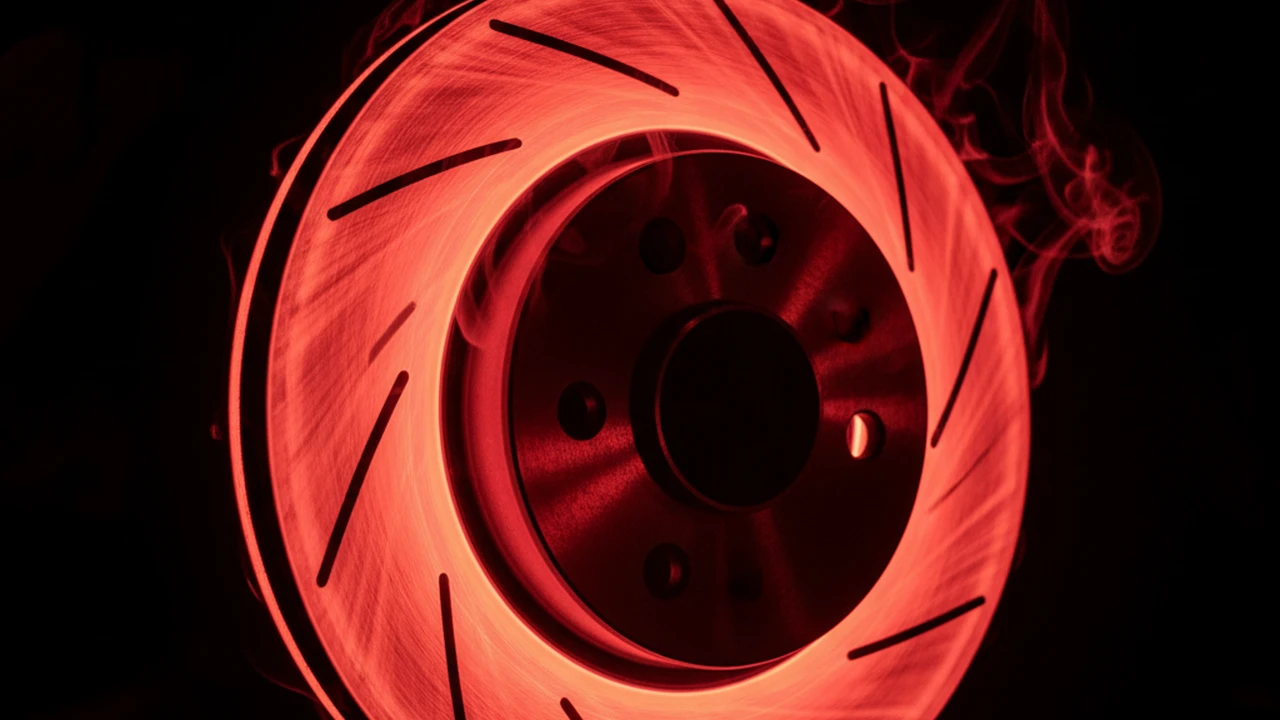
In essence, brake fade occurs when your braking system overheats. The friction generated by your brake pads clamping down on the rotors creates heat. While brakes are designed to handle a certain amount of heat, excessive heat can cause the brake fluid to boil or the pads and rotors to lose their optimal friction properties. This loss of friction is what leads to the reduced braking effectiveness we call brake fade.
For drivers in the US and SEA markets, understanding brake fade is particularly important. The diverse climates and driving conditions present unique challenges. In hot, humid Southeast Asian countries, ambient temperatures can exacerbate brake heating. In the US, long downhill descents in mountainous regions or heavy-duty towing can push braking systems to their limits. This guide will delve into the four primary causes of brake fade and provide practical solutions to keep your braking system performing at its best.
Cause 1 Excessive Heat Buildup From Heavy Braking
This is perhaps the most common cause of brake fade, often referred to as 'friction fade' or 'thermal fade'. It happens when the brakes are subjected to prolonged and intense braking, generating more heat than the system can dissipate. Think about driving down a long, steep mountain pass. Every time you apply the brakes, you're converting kinetic energy into heat. If you're constantly using your brakes to control your speed, that heat builds up rapidly.
Scenario: Imagine driving your SUV loaded with family and luggage down a winding mountain road in Colorado or navigating the hilly terrain around Cameron Highlands in Malaysia. You're constantly applying the brakes to maintain a safe speed. The brake pads and rotors get hotter and hotter. Eventually, the temperature reaches a point where the friction material on the brake pads can no longer generate sufficient grip against the rotor. The brake fluid inside the calipers can also reach its boiling point. When brake fluid boils, it creates vapor bubbles. Since vapor is compressible and fluid is not, pressing the brake pedal now compresses these vapor bubbles instead of applying hydraulic pressure to the pads, resulting in a soft, ineffective pedal.
Solutions:
- Downshift: For manual or automatic transmissions, downshifting to a lower gear uses engine braking to help control your speed. This significantly reduces the workload on your brakes. For example, on a steep descent, shifting from Drive to a lower gear (like '3' or '2' on an automatic, or a lower gear on a manual) will help slow the vehicle without excessive brake use.
- Brake Intermittently: Instead of riding the brakes continuously, apply them firmly for short periods and then release them to allow them to cool. This allows heat to dissipate more effectively.
- Upgrade Your Brakes: For vehicles that frequently encounter such conditions (towing, mountainous driving), consider upgrading to performance brake components. This includes high-temperature brake pads, slotted or drilled rotors, and high-performance brake fluid.
Product Recommendations for Heavy Braking:
- High-Temperature Brake Pads: Brands like Hawk Performance (e.g., HPS 5.0 series), EBC Brakes (e.g., Yellowstuff or Redstuff), and StopTech offer pads designed to withstand higher temperatures without significant fade. These are ideal for performance driving, towing, and spirited mountain driving. Expect to pay between $100 - $250 per axle for good quality performance pads.
- Slotted or Drilled Rotors: These rotors help dissipate heat and gases more effectively than standard solid rotors. Brands like Power Stop, Brembo, and Centric offer excellent options. Slotted rotors are generally better for street performance and everyday use, while drilled rotors can offer superior cooling but may be more prone to cracking under extreme stress. Prices range from $150 - $400 per pair for front rotors.
- High-Performance Brake Fluid: Standard DOT 3 fluid has a dry boiling point of around 401°F (205°C). Upgrading to DOT 4 or DOT 5.1 fluid significantly increases this (DOT 4 dry boiling point is around 446°F/230°C). Brands like Motul (RBF 600), Castrol (SRF), and ATE offer high-performance fluids. A 1-liter bottle typically costs $20 - $40 and is enough for a full brake fluid flush.
Cause 2 Worn Brake Pads and Rotors
Brake fade can also be exacerbated by components that are simply worn out. Brake pads have a limited lifespan, and as they wear down, their ability to generate friction decreases. Similarly, brake rotors can become worn, glazed, or develop uneven surfaces, all of which compromise their effectiveness and heat dissipation capabilities.
Scenario: Imagine a daily commuter vehicle in a city like Singapore or Miami where stop-and-go traffic is common. If the brake pads are nearing the end of their life, or if the rotors have developed a lip on the edge or are significantly scored, the braking system has to work harder to achieve the same stopping power. This increased effort generates more heat, and combined with the reduced effectiveness of the worn components, it can lead to fade, especially during prolonged braking in traffic jams or when needing to brake suddenly.
Solutions:
- Regular Inspections: Make it a habit to have your brakes inspected regularly, typically every oil change or at least twice a year. Look for the thickness of the brake pads and the condition of the rotors.
- Replace Worn Components Promptly: Don't wait until your brakes are completely worn out. Replace brake pads when they reach the minimum thickness recommended by the manufacturer (usually around 3mm or 1/8 inch). Replace rotors if they are significantly worn, warped, or heavily scored.
- Choose Quality Replacement Parts: When replacing brake components, opt for reputable brands that offer good quality and durability.
Product Recommendations for Worn Components:
- OEM or Quality Aftermarket Pads: For everyday driving, high-quality OEM (Original Equipment Manufacturer) pads or reputable aftermarket brands like Bosch, Akebono, or Raybestos provide a good balance of performance, longevity, and value. Expect to pay $50 - $150 per axle.
- New Rotors: When replacing pads, it's often recommended to replace rotors as well, especially if they show signs of wear or damage. Standard replacement rotors from brands like Brembo (their standard line), Centric, or Zimmermann are good choices. Prices typically range from $80 - $200 per pair for front rotors.
- Brake Pad Wear Indicators: Most modern brake pads come with wear indicators that make a squealing noise when the pads are low. Pay attention to these sounds. If your vehicle doesn't have them, consider aftermarket kits.
Cause 3 Contaminated Brake Fluid
Brake fluid is hygroscopic, meaning it absorbs moisture from the atmosphere over time. This absorbed water lowers the boiling point of the brake fluid. As mentioned earlier, when brake fluid boils, it creates compressible vapor, leading to a spongy pedal and brake fade.
Scenario: Consider a vehicle that hasn't had its brake fluid changed in several years, perhaps a classic car enthusiast's weekend driver in a humid climate like Florida or the Philippines. Even if the car isn't driven aggressively, the brake fluid inside the system can absorb enough moisture to significantly lower its boiling point. When the brakes are used, especially during moderate braking or in hot weather, the fluid can reach its boiling point, causing fade.
Solutions:
- Regular Brake Fluid Flushes: The general recommendation is to flush and replace brake fluid every 2-3 years or every 30,000-50,000 miles, whichever comes first. This removes old, contaminated fluid and replaces it with fresh fluid with a high boiling point.
- Use the Correct Fluid Type: Always use the brake fluid type specified by your vehicle manufacturer (DOT 3, DOT 4, DOT 5.1). Never mix DOT 5 (silicone-based) with other types.
- Proper Bleeding: After flushing, ensure the brake system is properly bled to remove any air or moisture that may have entered the system.
Product Recommendations for Brake Fluid:
- DOT 3 Fluid: For most standard vehicles. Brands like Valvoline, Prestone, and Bosch offer reliable DOT 3 fluids. A 32 oz bottle costs around $10 - $15.
- DOT 4 Fluid: For many modern vehicles and those requiring higher performance. Brands like Motul, Castrol, and ATE are excellent choices. A 1-liter bottle costs $20 - $40.
- DOT 5.1 Fluid: For high-performance applications requiring the highest boiling points. Similar brands as DOT 4 offer DOT 5.1.
- Brake Fluid Tester: A simple brake fluid tester can check the moisture content and boiling point of your fluid, helping you decide when a flush is needed. These cost around $20 - $50.
Cause 4 Issues with the Master Cylinder or Calipers
While less common than heat-related fade, problems with the master cylinder or brake calipers can also lead to a loss of braking effectiveness that mimics brake fade. A failing master cylinder might not be able to generate sufficient hydraulic pressure, and a sticking caliper can cause uneven braking or drag, leading to overheating.
Scenario: Imagine a vehicle that has been sitting for a while, or one with a brake system that hasn't been serviced in a long time. The seals within the master cylinder or brake calipers can degrade over time. If the master cylinder's internal seals fail, it might not be able to hold pressure effectively, leading to a soft pedal. If a caliper piston or slide pin seizes, it can cause the brake pad to constantly drag against the rotor, generating excessive heat and leading to fade, even without heavy braking.
Solutions:
- Diagnose and Repair Promptly: If you suspect a problem with your master cylinder or calipers, have them diagnosed by a qualified mechanic immediately. These are critical safety components.
- Rebuild or Replace: Depending on the severity of the issue, master cylinders and calipers can sometimes be rebuilt, or they may need to be replaced entirely.
- Regular Maintenance: Ensure your brake system is regularly maintained, including lubricating caliper slide pins and checking for leaks.
Product Recommendations for Master Cylinders and Calipers:
- Remanufactured Master Cylinders: Brands like Cardone, Dorman, and AC Delco offer remanufactured master cylinders that are a cost-effective replacement option. Prices can range from $50 - $200 depending on the vehicle.
- New or Remanufactured Calipers: Similar brands offer new or remanufactured brake calipers. Remanufactured units are generally more affordable. Expect to pay $50 - $150 per caliper, often including a core charge that is refunded upon return of the old unit.
- Brake Caliper Piston Tools: If you're doing a caliper replacement or rebuild yourself, specialized tools can make the job easier. A caliper piston compression tool or a caliper wind-back tool is essential. These cost around $20 - $50.
Keeping Your Brakes Cool and Effective
Brake fade is a serious safety concern, but by understanding its causes and taking proactive steps, you can significantly reduce the risk. Regular maintenance, using quality parts, and adopting safe driving practices are your best defenses. Whether you're driving in the heat of Southeast Asia or tackling the inclines of North America, ensuring your braking system is in top condition is paramount for your safety and peace of mind.
Remember, your brakes are your most important safety feature. Don't compromise on their performance. If you ever experience a spongy pedal or a noticeable decrease in braking power, have your brake system inspected by a professional as soon as possible. Safe travels!